
Important Signs of Forklift Battery Issues Needing Attention
Forklift Battery and Charger Maintenance
In today’s fast-paced industrial environments, ensuring uptime and longevity in material handling is crucial. Maintaining rate of production depends on proper care of forklift batteries and their charger units. This article outlines essential daily and weekly care routines, upkeep measures for charger units, signs that indicate when professional service is needed, the benefits of specialized service, advanced checks before seeking service, and safety measures during battery and charger interactions.
In today’s fast-paced industrial environments, the efficiency and reliability of material handling operations hinge significantly on equipment uptime. Among the essential components that ensure seamless productivity are forklift batteries and their corresponding charger units. Proper care and maintenance are not just beneficial but vital for prolonging the lifespan of these components. A well-maintained battery system ensures that production rates are not compromised due to unexpected downtime caused by battery failure. This article will guide you through the necessary daily and weekly care routines for forklift batteries, including best practices for charger upkeep. Understanding these routines can prevent costly interruptions in production while enhancing overall operational efficiency.
Furthermore, recognizing the signs that indicate when a forklift battery or charger requires professional servicing is crucial for maintaining optimal performance. Early detection of issues helps minimize downtime and repair costs. This article will also discuss the benefits of engaging specialized service providers who have the expertise to conduct thorough assessments and provide tailored solutions. Before seeking professional assistance, you can perform advanced checks to identify common problems yourself, empowering your team to act promptly. We’ll also cover essential safety measures that should be observed during any interaction with batteries and chargers to ensure a safe working environment. By following these guidelines, you can create a more reliable and efficient material handling operation that not only meets but exceeds production expectations.
Essential Daily and Weekly Forklift Battery Care Routines
Effective battery care is vital for forklift performance, reducing downtime and unexpected maintenance expenses. Regular routines support optimal chemical reactions in battery cells, ensure safe electrolyte handling, and extend the life of electric forklift batteries.
Effective battery care is crucial for maintaining the performance and reliability of electric forklifts. Just as a vehicle relies on its engine, the efficiency of a forklift hinges on the health of its battery. Proper maintenance routines not only support the optimal chemical reactions within the battery cells but also play a significant role in reducing unexpected downtime and maintenance costs. When battery care is prioritized, operators can ensure that the battery consistently delivers adequate power, minimizing disruptions in workflow and enhancing productivity within the operational environment.
Additionally, routine battery maintenance fosters the safe handling of electrolytes, which is essential for preventing hazardous situations that can arise from battery leakage or improper charging practices. By regularly checking electrolyte levels and ensuring clean connections, operators can significantly extend the lifespan of their electric forklift batteries. This proactive approach not only protects the investment in the equipment but also yields long-term savings by decreasing the frequency of service calls and the need for replacements. Ultimately, committing to effective battery care is a smart strategy for any business that relies on electric forklifts, as it leads to improved safety, increased efficiency, and a healthier bottom line.
Conducting Proper Battery Watering and Equalization Charges
Proper battery watering maintains the chemical reaction essential for performance. Operators should add distilled water only when the electrolyte level is low, preventing impurities and reducing hazardous waste. Equalization charges balance each cell, ensuring consistent voltage across the pack and minimizing cell imbalance—a common cause of battery failure—while promoting a uniform depth of discharge.
For those seeking an efficient solution, a forklift water system can streamline the watering process, allowing for precise filling and reducing the manual labor involved. Regular maintenance, including proper watering and equalization, not only ensures a reliable energy source for your equipment but also fosters sustainable practices in battery management.
Maintaining Cleanliness of Battery Tops and Terminals
Maintaining the cleanliness of battery tops and terminals is essential for enhancing the performance and longevity of your forklift’s battery. Over time, dirt, grime, and corrosion can accumulate on these surfaces, leading to poor electrical connections and ultimately affecting the battery’s efficiency. When the terminals are dirty, they can impede the flow of electricity, resulting in starting issues or even electrical failures. Regular cleaning helps to ensure that the battery operates optimally, reducing the likelihood of unexpected breakdowns and extending the overall lifespan of the battery.
To effectively clean battery tops and terminals, start by disconnecting the battery cables, ensuring that you always remove the negative terminal first to avoid any electrical sparks. Once detached, use a mixture of baking soda and water to scrub away any corrosion, which typically appears as a white, crusty substance on the terminals. A wire brush can be handy for reaching into the nooks and crannies of the terminals. After cleaning, rinse the area with water and dry thoroughly to prevent moisture buildup. It’s also wise to apply a thin layer of no-ox grease on the terminals before reconnecting them, as this can help to prevent future corrosion. Making a habit of checking and cleaning your battery terminals can significantly enhance your forklift’s reliability and save you from costly repairs down the line.
Inspecting Battery Cables and Connectors for Secure Fits
Daily visual and physical inspections of battery cables and connectors ensure secure electrical connections. Loose or damaged cables can cause erratic behavior or sudden shutdowns. Operators should check for frayed insulation or overheating and repair any issues immediately. Secure, corrosion-free connectors help maintain efficiency and safety.
Monitoring and Recording Battery Usage Cycles
Tracking battery usage by logging depth of discharge, charge cycles, and runtime provides valuable data for maintenance scheduling. This record keeping not only helps anticipate issues and schedule timely battery replacements but also supports warranty requirements by meeting manufacturers’ service documentation guidelines.
Safe Battery Handling During Changes and Storage
Safety is paramount during battery changes and storage. Operators should disconnect power sources and use insulated tools to prevent electric shocks. Electric fork truck batteries must be stored in a cool, dry, well-ventilated area away from flammable materials. Adhering to approved handling procedures is essential.
Critical Upkeep for Your Forklift Charger Unit
Maintaining the forklift charger unit is crucial and should be considered just as essential as caring for the battery itself. A forklift charger serves as the lifeline of your battery-powered equipment, directly impacting the efficiency and longevity of the battery. When a charger is not properly maintained, its performance can deteriorate, leading to longer charging cycles that not only inconvenience your operations but also strain the battery over time. This increased duration of charging can prevent batteries from reaching their optimal state, ultimately diminishing their overall capacity and performance.
Additionally, neglecting the upkeep of the charger can result in internal damage to both the charging unit and the battery. A malfunctioning charger may generate excess heat or deliver inconsistent power, which can wear down battery cells and, in some cases, lead to catastrophic failures. This not only results in unplanned downtime but also increases repair and replacement costs. Regular surveys and maintenance of the charger can help identify issues early, ensuring both the charger and battery work harmoniously to deliver peak performance. Investing time in charger maintenance is, therefore, an investment in the efficiency and performance of your entire fleet.
Verifying Correct Charger Output Settings for Your Battery
Ensure the charger’s output settings match the battery’s specifications. The charger should deliver the correct voltage and current tuned to the battery’s chemistry and size. Incorrect settings can disrupt chemical reactions and shorten battery life by triggering overheating. Regular calibration to manufacturer guidelines is essential for optimal performance and warranty compliance.
Examining Charger Cables and Connectors for Damage
Like battery cables, charger cables and connectors must be inspected frequently for damage. Any sign of insulation wear, abrasion, or discoloration can lower charging efficiency and pose electrical hazards. Early identification and replacement of compromised parts help prevent further damage.
Ensuring a Clean and Well-Ventilated Charging Location
A clean, dust-free, and well-ventilated charging area is crucial for prolonging the life of batteries and chargers. This environment dissipates heat during the charge cycle and reduces the risk of overheating. Strict housekeeping and adherence to safety protocols around charging stations are necessary.
Observing Charger Display for Error Codes or Malfunctions
Modern chargers include digital displays that offer real-time feedback. Operators must be trained to recognize error codes and warning signals that indicate potential malfunctions. Immediate investigation of displayed errors prevents prolonged charging cycles and hazards.
Scheduling Periodic Professional Charger Inspections
While routine operator checks are important, professional inspections are indispensable. Certified technicians can perform comprehensive diagnostics on internal components not visible during daily maintenance. These examinations help detect issues early, prevent failures, and ensure the charger remains reliable.
Identifying 5 Signs Your Forklift Battery Needs Professional Service
Even with diligent maintenance, battery degradation can occur. Recognizing these signs allows for timely professional intervention to mitigate risks and extend battery life.
Sign One: Forklift Performance Declines With Shorter Run Times
A noticeable reduction in runtime or inconsistent performance indicates that the battery may no longer hold its charge effectively.
Sign Two: Physical Battery Damage Like Swelling or Leaks Appears
Physical damage such as swelling, bulging, or electrolyte leaks signals failure or internal short circuits. Overcharging or chemical imbalances can cause gas buildup leading to swelling.
Sign Three: The Battery Overheats Consistently During Charge or Operation
Persistent overheating, whether during charging or operation, points to issues such as poor ventilation or high internal resistance. Continuous high temperatures degrade materials and accelerate battery failure. Monitoring these thermal changes is essential to avoid premature breakdown.
Sign Four: Charging Becomes Slow or the Battery Fails to Hold Full Capacity
If the battery takes longer to charge or no longer reaches full capacity, it indicates diminished performance. Faulty charge acceptance suggests that the cells are not reacting normally to the chemical processes needed for energy storage, warranting a complete battery evaluation by professionals.
Sign Five: Persistent Corrosion Returns Quickly After Cleaning Attempts
If corrosion on battery terminals reappears rapidly after cleaning, it may point to poor electrical contact or imbalanced electrolyte levels. Persistent corrosion can damage the entire electrical system and requires professional service to correct underlying issues.
Benefits of Utilizing a Specialized Forklift Battery Service
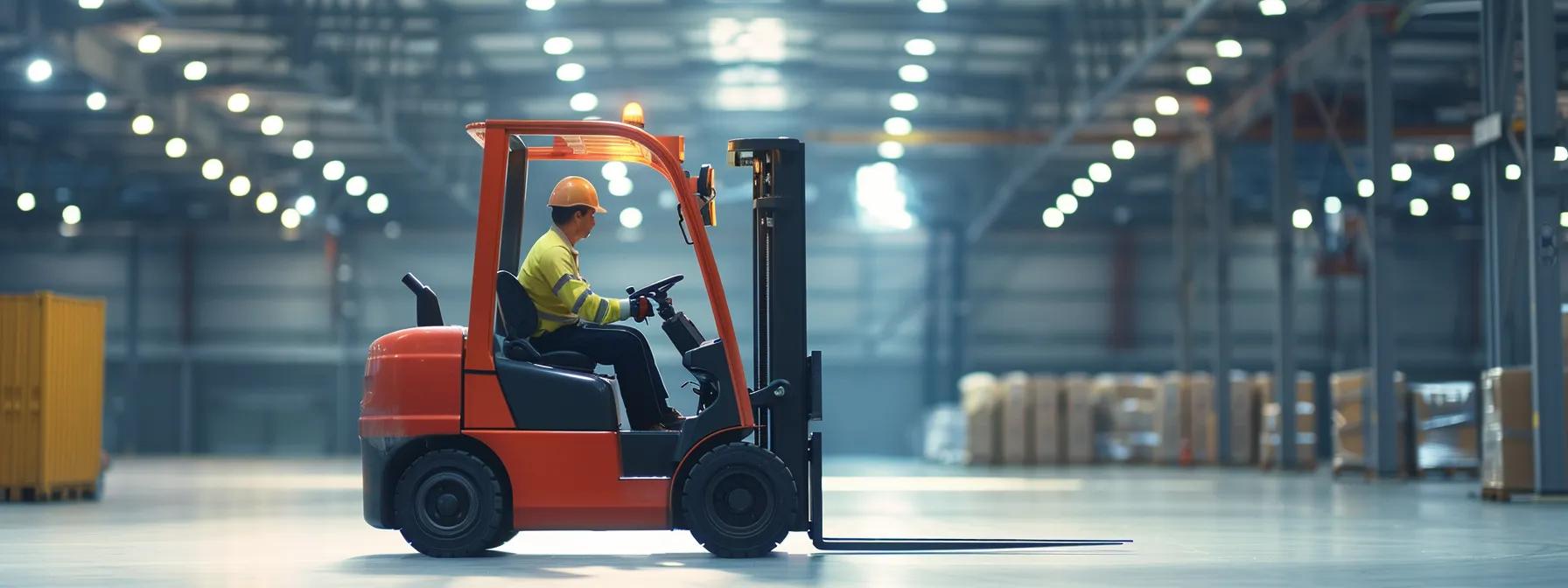
Utilizing a specialized forklift battery service offers numerous benefits for businesses relying on material handling equipment. One of the key advantages is the enhancement of battery longevity and performance. Specialized services take into account the unique needs of forklift batteries, ensuring that they receive the right maintenance and care. This includes regular inspections, optimal charging practices, and cleaning, which can significantly extend the lifespan of the batteries. By preventing issues like sulfation or improper charging, businesses can maximize their investment, reducing the frequency and cost of replacements.
Another important aspect of a specialized forklift battery service is the knowledge and expertise of the technicians. Professionals who specialize in battery maintenance have extensive training and experience, enabling them to diagnose and resolve potential issues that an untrained eye might overlook. They are well-versed in the latest technologies and best practices in battery management, often employing advanced diagnostic tools to optimize battery health. Additionally, using a specialized service can ensure compliance with safety regulations, reducing the risk of accidents or injuries related to equipment malfunctions. Overall, investing in a specialized forklift battery service not only improves operational efficiency but also contributes to a safer and more productive workplace.
Gaining Expert Diagnosis for Complex Industrial Battery Problems
When faced with complex industrial battery problems, obtaining an expert diagnosis is crucial for operational efficiency and safety. Industrial batteries, whether used in forklifts, renewable energy systems, or backup power supplies, operate under unique conditions that can lead to multifaceted issues, ranging from system inefficiencies to sudden failures. Expert technicians are trained to analyze these intricate systems, using advanced diagnostic tools and methodologies to identify underlying problems that may not be immediately apparent. Their in-depth understanding of battery chemistry, electrical systems, and environmental factors enables them to provide a comprehensive assessment of battery health, performance, and longevity.
Furthermore, gaining expert insight allows businesses to implement targeted solutions rather than relying on trial-and-error approaches. By leveraging their expertise, technicians can uncover critical factors such as improper charging practices, environmental influences, or hidden wear and tear that could be compromising battery performance. This not only enhances the safety of operations but also helps to optimize maintenance schedules, reduce downtime, and prolong the lifespan of the battery systems. Investing in expert diagnosis not only mitigates risks but can also lead to significant cost savings in the long run, making it an essential component of industrial battery management.
Prolonging Battery Operating Life Through Professional Forklift Battery Service
Professional technicians perform in-depth tests like load assessments and specific gravity measurements to ensure the battery operates within ideal parameters. Their routine attention, such as balancing voltages and adjusting charge profiles, can significantly compared to improper maintenance.
Reducing Equipment Downtime With Timely Forklift Battery Attention
Timely professional service minimizes unexpected failures, ensuring forklifts remain operational. Comprehensive assessments allow maintenance to be scheduled during off-peak hours, preventing production delays and reducing the financial impact of downtime.
Ensuring Adherence to Safety Standards With Expert Forklift Battery Service
Specialized services ensure that battery and charger maintenance meets rigorous industry and manufacturer standards. This not only improves equipment longevity but also provides a safer work environment by reducing hazardous incidents and ensuring compliance with warranty conditions.
Optimizing Fleet Performance Through Comprehensive Battery Management
A holistic approach to battery management, including detailed maintenance records, performance analytics, and regular audits, helps fleet managers maintain consistent power delivery. Optimizing charge cycles and reducing variability improves overall operational productivity.
Advanced Checks to Perform Before Requesting Forklift Battery Service
When it comes to maintaining electric fork lift batteries, proactive measures can significantly enhance operational efficiency and safety. Before requesting forklift battery service, it’s crucial to conduct a series of advanced checks that can help identify underlying issues and optimize the longevity of the battery. Start by examining the battery terminals for any signs of corrosion or buildup. Corroded terminals can hinder proper electrical flow, leading to decreased performance. Additionally, check the battery case for any cracks or leaks, which can indicate damage that might require immediate attention. By addressing these visible discrepancies early, you can prevent costly repairs and potential downtime down the line.
Another essential check involves monitoring the electrolyte levels in lead-acid batteries. Low electrolyte levels can lead to reduced battery life and capacity, so be sure to inspect each cell. If you find that the levels are below the recommended mark, it’s important to top them off with distilled water before pursuing service. Additionally, using a hydrometer to check the specific gravity of the electrolyte can provide insights into the battery’s overall health. Variations in specific gravity readings across cells can signal that a battery may be failing and require more than just routine maintenance. By taking these advanced checks into account, you’ll be better equipped to communicate your needs clearly to your service technician, leading to more effective and efficient battery maintenance.
Measuring Specific Gravity in Each Battery Cell
Measuring specific gravity in each battery cell is a crucial diagnostic process that helps determine the state of charge and overall health of lead-acid batteries. Specific gravity refers to the density of the electrolyte solution compared to the density of pure water, and it is expressed as a ratio. For lead-acid batteries, this means measuring the specific gravity of the sulfuric acid solution within each cell. A hydrometer, which is a simple device designed to float in fluids, is typically used for this purpose. By drawing a sample of the electrolyte into the hydrometer, users can see the specific gravity reading, which typically ranges from 1.100 to 1.300 during normal operation, depending on the state of charge.
Regularly measuring the specific gravity in each cell not only helps gauge the battery’s charge level but also identifies potential issues before they lead to failure. A lower specific gravity reading may indicate that the battery is partially discharged or has experienced sulfation, while consistently low readings across all cells can signal a deeply discharged or failing battery. For optimal performance, it’s essential to conduct this measurement periodically, especially in applications where battery performance is critical, such as in renewable energy systems or automotive batteries. By keeping track of specific gravity readings, users can make informed decisions regarding battery maintenance, charging practices, and replacement timing, ultimately extending the life of their batteries and ensuring reliable performance.
Conducting a Battery Load Test for Capacity Assessment
Conducting a battery load test is a crucial procedure for assessing the capacity and overall health of a battery, whether it’s used in forklifts or backup power systems. This test involves applying a standardized load to the battery while monitoring its voltage and performance over a specified period. The primary goal is to evaluate how well the battery can sustain a load without experiencing significant voltage drops, which can indicate the condition of the cells and their ability to deliver adequate power. Typically, the test is performed using specialized equipment that can simulate the load conditions under which the battery will normally operate, while a multimeter or battery monitor is used to track the voltage response.
When conducting a battery load test, it’s essential to follow a systematic approach to ensure accuracy and safety. Start by fully charging the battery and allowing it to rest for a few hours before the test. This allows you to establish a reliable baseline. During the test, apply a load that corresponds to the duty cycle of the battery. A forklift battery may opt for a longer duration test, like 3 hours while come critical power batteries may go as low as 15 to 60 minutes. After the load is applied, monitor the voltage at intervals to observe any significant drops. A healthy battery should maintain its voltage above a certain threshold throughout the test duration. If the voltage falls below expectations, it could indicate sulfation, cell damage, or overall deterioration, prompting further investigation or consideration for replacement. By performing regular load tests, users can make informed decisions about their battery’s reliability and longevity, enhancing safety and performance in applications where battery life is critical.
Reviewing Battery Management System Alerts if Equipped
Modern batteries often include a Battery Management System (BMS) that monitors charging behavior, voltage, and temperature. Reviewing these alerts and logs can provide real-time insights into performance issues, such as overcharging or abnormal discharge levels, that require attention. For more information on industrial battery hazards, visit industrial battery hazards.
Confirming Charger Output and Functionality Are Correct
Before requesting service, verify that the charger is delivering the correct voltages and currents as specified by the battery manufacturer. A malfunctioning charger can worsen battery issues and affect diagnostic results. Use a calibrated multimeter to check the output and determine if the problem lies with the battery, charger, or both.
Observing Safety Measures for All Forklift Battery and Charger Interactions
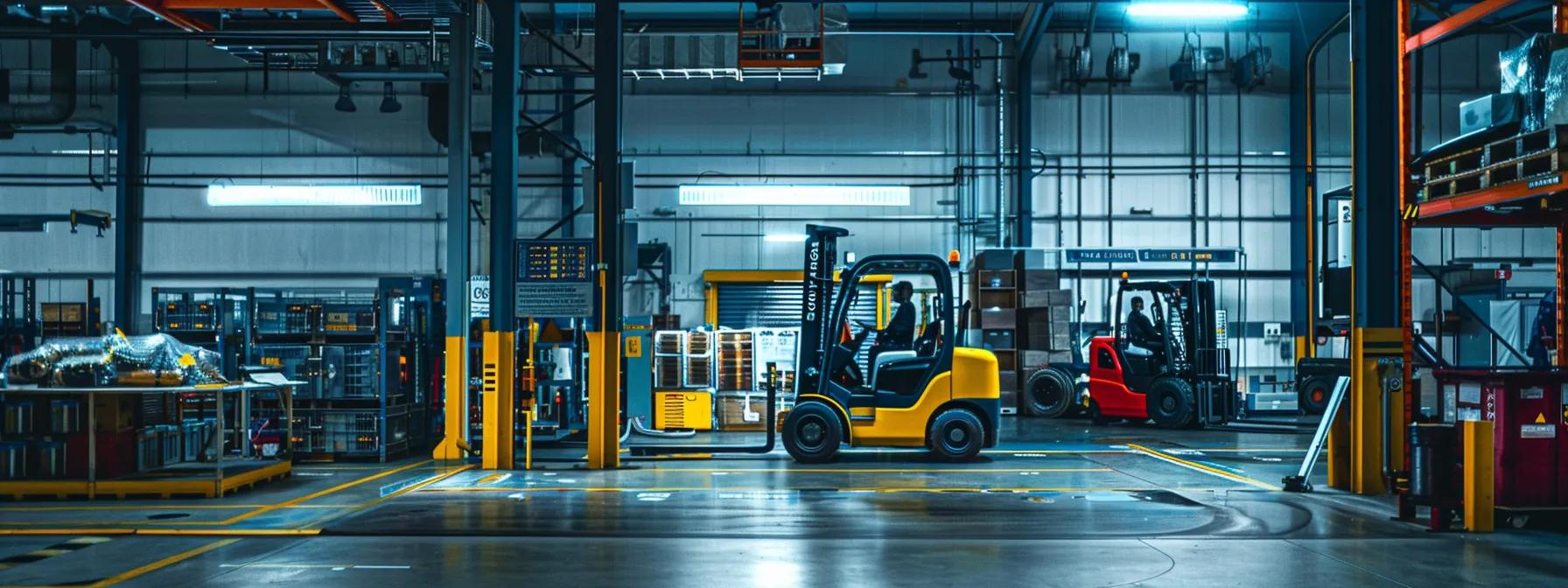
Safety is critical when working with forklift batteries and chargers due to the risks from chemical exposure, high currents, and friction-induced heat. Strict adherence to safety measures protects personnel and maintains equipment integrity. See more on understanding the risks.
Employing Correct Personal Protective Equipment Consistently
Always use appropriate PPE (Personal Protective Equipment), such as safety goggles, acid-resistant gloves, aprons, and face shields, when handling batteries. Wearing the correct gear helps prevent injuries from battery acid and electric shocks and ensures compliance with safety standards.
Following Approved Methods for Battery Removal and Installation
Follow validated procedures when removing or installing batteries, including disconnecting power sources and using designated tools. Routine training and certification ensure that operators use these methods correctly, minimizing risks during battery swaps.
Managing Accidental Acid Spills With Proper Neutralization
Accidental acid spills can pose serious risks to both human health and the environment. Managing such spills effectively requires a systematic approach to neutralization, which not only mitigates immediate dangers but also ensures safe cleanup. Neutralization involves the chemical reaction between an acid and a base, resulting in the formation of water and a salt, thus neutralizing the harmful properties of the acid.
It’s also crucial to act quickly and follow safety protocols during an acid spill. Personal protective equipment (PPE) such as gloves, goggles, and aprons should be worn to prevent exposure. Once appropriate neutralizing agents are identified, they should be applied to control the reaction. After the reaction has been completed, the area should be thoroughly cleaned, and any residues should be safely disposed of following local regulations. Regular training for staff on how to manage spills and understanding the importance of neutralization can significantly improve safety protocols and prevent accidents in the future. By fostering a culture of preparedness, workplaces can create safer environments and enhance their response capabilities in the face of chemical spills.
Knowing Emergency Stop Functions for Charging Equipment
Forklift charging stations are typically equipped with emergency stop functions. Knowing the location and operation of these stops, reinforced through regular drills and documentation, enables a rapid response during abnormal conditions.
Consulting Manufacturer Specifications for Maintenance Procedures
Always follow the manufacturer’s specifications regarding maintenance, handling, and storage. Adhering to these guidelines ensures compliance with warranty terms and optimizes battery and electric forklift charger performance.
Table: Comparison of Key Battery and Charger Maintenance Attributes
Before concluding, consider this summary table that encapsulates critical aspects of maintenance:
Frequently Asked Questions
Q: How often should I water my forklift battery?
A: When it comes to maintaining the longevity and performance of your forklift battery, regular watering is crucial. Generally, it is recommended to check the water level in your forklift battery every 5 to 10 charging cycles. This frequency can vary based on several factors, including the type of battery, the operating environment, and the intensity of use. For instance, if you are using your forklift in a hot and dry environment or operating it continuously, you may need to water the battery more often. Conversely, in cooler conditions or with less frequent usage, the battery will require less water.
Proper watering involves not just adding distilled water, but also ensuring that the water level is adequate. Ideally, the water should cover the battery plates but should not be so high that it spills over into the cells. Over time, as the battery charges and discharges, it loses water due to the chemical reactions inside, which is why monitoring is vital. Additionally, always check the water levels before and after a charging cycle to avoid battery damage and maintain efficiency. A well-maintained battery not only extends its lifespan but also ensures that your forklift operates effectively, reducing downtime and repair costs.
Q: Can I repair a damaged forklift battery?
A: Repairing a damaged forklift battery is a topic of considerable importance for businesses relying on these machines for daily operations. Forklift batteries, typically lead-acid or lithium-ion, are critical for ensuring the efficient functioning of the equipment. When a battery sustains damage, whether from physical impacts, overcharging, or natural wear and tear, it can lead to decreased performance and increased downtime. In many cases, minor issues, such as loose connections or corrosion, can be remedied with simple fixes. Regular maintenance and proper handling can often prolong battery life and improve reliability, minimizing the extent of potential repairs needed.
However, there are significant limitations to consider when it comes to repairing forklift batteries. Extensive damage, such as cracks in the casing, leaks of battery acid, or significant imbalance in cell voltage, typically requires replacement rather than repair. Attempting to fix such issues can not only pose safety hazards but can also lead to further complications in your forklift’s performance. It’s crucial to assess the damage carefully and consult with a qualified technician who can determine the most appropriate course of action. In many cases, investing in a new battery may prove to be more cost-effective in the long run than attempting to repair a severely compromised unit. Ultimately, understanding when to repair and when to replace is key to maintaining operational efficiency and safety in warehouse environments.
Q: What specific preventative measures can reduce battery corrosion?
A: Regular cleaning of battery tops and terminals using proper alkaline agents and maintaining secure cable connections are vital to reducing corrosion risks.
Q: Why is a charger unit analysis necessary even if routine checks are performed?
A: Periodic professional analysis can identify internal malfunctions or calibration issues that routine checks may miss, ensuring adherence to manufacturer specifications.
Q: How can I tell if my battery is failing before complete shutdown?
A: Indicators include reduced runtime, consistent overheating, and an inability to hold a full charge, signaling that professional review is necessary.
Q: What safety equipment is essential during battery maintenance?
A: Essential PPE includes acid-resistant gloves, safety goggles, aprons, and face shields to mitigate risks from battery acid exposure and electrical hazards.
Q: How does regular battery monitoring impact overall forklift efficiency?
A: Consistent monitoring and recording of battery usage help schedule proactive maintenance, reducing unexpected downtime and ensuring smooth operations.
Q: When should a professional be called for battery service over routine maintenance?
A: Contact a professional if you observe physical swelling, persistent overheating, or recurring corrosion despite regular cleaning, as these indicate serious issues.
Q: Can neglected battery maintenance impact warranty status?
A: Yes, failing to follow routine and recommended maintenance practices can void the battery or charger warranty, as manufacturers often require proper service logs.
Final Thoughts
Forklift battery and charger maintenance is a strategic investment in maximizing equipment uptime and operational efficiency. Regular care routines, proper verification of charger outputs, and prompt professional surveying safeguard productivity and extend the life of these critical power systems. Recognizing early signs of battery deterioration and strictly adhering to safety protocols not only minimizes risks but also enhances overall fleet performance. As advanced battery management systems evolve, proactive maintenance remains key to a robust, efficient material handling system.
Servicing Tennessee, Florida, and Alabama