Local Forklift Battery Recycling Services You Need to Know
Local Forklift Battery Recycling Services You Need to Know: Certified Solutions for Safe and Compliant Disposal
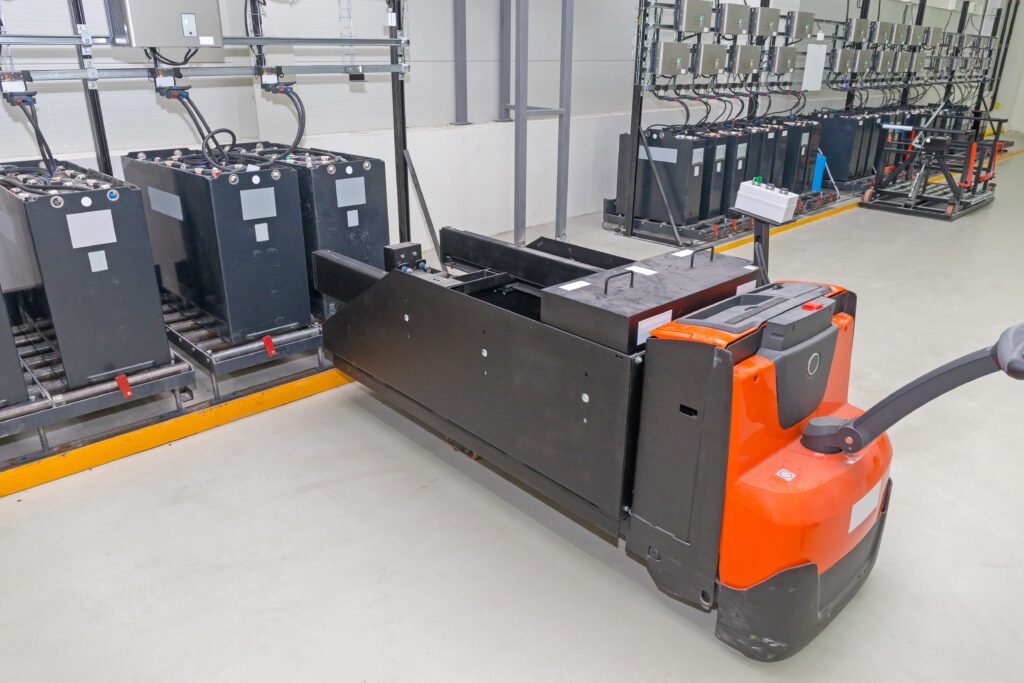
Did you know that improper disposal of forklift batteries can expose your operation to fines exceeding $50,000 and cause severe soil and water contamination? Local forklift battery recycling services from Swift Industrial Power deliver certified solutions that neutralize hazardous lead and acid from lead-acid and lithium-ion batteries, recover valuable metals, and ensure full compliance with EPA and DOT regulations. This guide explains why responsible recycling is critical for material-handling businesses, outlines our certified process from assessment through certification, details the types of batteries we handle, and shows how to schedule convenient pickup or drop-off services. You will also discover the economic benefits, sustainability gains, and unique expertise that make Swift Industrial Power the trusted partner for your forklift battery recycling needs.
Why Is Responsible Forklift Battery Recycling Critical for Your Business?
Responsible forklift battery recycling is the safe collection, processing, and material recovery of industrial batteries to prevent environmental hazards and recover valuable resources. By capturing lead, sulfuric acid, and metals from lithium-ion batteries, recycling protects soil and water from contamination while conserving natural reserves. These outcomes demonstrate environmental stewardship and operational responsibility, positioning recycling as an essential compliance and sustainability measure. Understanding these stakes clarifies why each stage of the recycling process must meet strict standards to avoid fines, protect your brand reputation, and support a circular economy.
What Environmental Risks Does Improper Forklift Battery Disposal Pose?
Improper forklift battery disposal refers to dumping spent lead-acid or lithium-ion batteries without environmental controls, which releases lead, acid, and heavy metals into surrounding ecosystems. Lead particles accumulate in soil, causing neurotoxic effects in wildlife and humans, while sulfuric acid leaches into water systems, lowering pH and harming aquatic life. A single leaking battery can acidify hundreds of gallons of groundwater, requiring expensive remediation efforts.
Below are the primary environmental risks associated with uncontrolled battery disposal:
- Soil contamination occurs when lead and acid seep into the ground, impairing plant growth and entering food chains.
- Water pollution arises as sulfuric acid and heavy metals dissolve in runoff, threatening aquatic ecosystems and drinking water supplies.
- Air quality degradation happens when corroded batteries emit toxic gases like hydrogen sulfide during breakdown.
Preventing these outcomes demands certified local recycling services that control and treat all hazardous materials according to environmental regulations.
How Does Recycling Protect Your Business from Regulatory Fines?
Recycling forklift batteries through certified providers ensures full environmental compliance with EPA and state hazardous-waste regulations, protecting businesses from costly penalties. Regulatory bodies impose fines up to $50,000 per violation for improper disposal, and repeated infractions can trigger legal action. For example, compliance with Resource Conservation and Recovery Act (RCRA) guidelines requires documented chain-of-custody and certified transport.
This adherence to regulations is crucial for avoiding significant financial penalties and legal repercussions.
Key compliance protections include:
- Proper hazardous-waste labeling and manifest tracking for every battery shipment.
- Licensed transport by carriers registered under DOT hazardous-material regulations.
- Receipt of detailed recycling certificates to maintain audit-ready records.
Adhering to these protocols mitigates enforcement risks and demonstrates due diligence in environmental stewardship.
What Are the Resource Recovery and Sustainability Benefits of Recycling?
Resource recovery through forklift battery recycling recaptures lead, plastic, and electrolytes for reuse in new products, promoting a circular economy. Recovering one ton of lead-acid batteries can yield nearly 1,200 pounds of refined lead, reducing the need for virgin ore extraction. Recycling lithium-ion batteries yields cobalt, nickel, and lithium carbonates that feed back into new battery manufacturing with up to 35 percent less energy input.
Primary sustainability benefits include:
- Conservation of natural resources by minimizing mining demand.
- Reduction in greenhouse-gas emissions due to lower energy requirements for recycled materials.
- Decreased landfill burden by diverting hazardous waste into closed-loop processes.
These advantages align with corporate sustainability goals and reinforce a responsible environmental footprint.
How Does the Certified Forklift Battery Recycling Process Work?
The certified forklift battery recycling process is a multi-step protocol that ensures safe handling, compliant transport, environmentally sound processing, and documented disposal. Swift Industrial Power’s methodology combines on-site assessment, licensed logistics, EPA-approved smelting for lead-acid units and hydrometallurgy for lithium-ion batteries, and final certification issuance. Each step is designed to neutralize hazards, recover materials, and provide businesses with audit-ready documentation. Understanding this workflow helps you integrate recycling into operational routines without disruption.
What Are the Steps for Battery Assessment and Safe Collection?
Battery assessment and safe collection involve evaluating each forklift battery’s condition, chemistry, and hazard level before scheduling pickup or drop-off. Technicians identify lead-acid and lithium-ion batteries, inspect for leaks or damage, and classify each unit for proper recycling streams.
Key collection steps include:
- On-site evaluation of battery type and state of charge.
- Segregation of VLA (Flooded), VRLA, AGM, and LiFePO₄ units in compliant containers.
- Secure loading into dedicated collection bins to prevent acid spillage.
- Coordination of pickup windows that align with facility operations.
This structured assessment ensures every battery enters the recycling chain under full environmental controls.
How Is Transportation to Certified Recycling Facilities Managed?
Safe transportation to certified facilities relies on licensed hazardous-material carriers and DOT-compliant packaging to prevent spills and exposure. Batteries are secured in UN-rated boxes or drums with absorbent liners to contain leaks. GPS-monitored vehicles follow designated routes to minimize community risk and meet state-by-state regulations.
Transportation safeguards include:
- Use of EPA-approved manifests tracking each load from origin to destination.
- Emergency response plans detailing containment and cleanup procedures.
- Periodic carrier audits to verify ongoing compliance with DOT and RCRA standards.
These measures maintain chain-of-custody integrity and ensure legal adherence throughout transit.
What Happens During Environmentally Compliant Battery Processing?
Environmentally compliant processing separates battery components, neutralizes acid, and recovers metals through smelting or hydrometallurgical methods. Lead-acid batteries undergo furnace smelting, where lead plates are refined and plastic casings are granulated and washed. Lithium-ion batteries enter specialized hydrometallurgy, where chemicals leach out cobalt, nickel, and lithium salts for purification.
Each process yields high-grade materials that reenter manufacturing, closing the resource loop and minimizing waste.
How Do You Receive Proof of Recycling and Certification?
After processing, Swift Industrial Power issues a detailed recycling certificate documenting battery serial numbers, weights processed, and hazard mitigation measures. This certificate serves as proof for regulatory audits and corporate sustainability reporting.
Certificate issuance involves:
- Verification of processed tonnage against collection manifests.
- Cross-referencing facility logs to confirm environmental-compliance steps.
- Delivery of a digital and printed certificate within five business days post-processing.
Maintaining these records ensures transparency and supports your compliance profile.
What Types of Forklift Batteries Can Be Recycled Locally?
Local recycling services accept the full spectrum of forklift battery chemistries used in material handling operations. Swift Industrial Power processes lithium-ion batteries alongside lead-acid variants and other rechargeable chemistries under one roof. This flexibility simplifies end-of-life management and reduces logistical complexities for businesses with mixed battery fleets.
Which Lead-Acid Forklift Batteries Are Accepted for Recycling?
Lead-acid batteries, the most common industrial units, include (VLA) flooded, VRLA (valve-regulated lead-acid), and AGM (absorbed glass mat) types. Flooded batteries contain liquid electrolyte that requires neutralization, while VRLA and AGM units feature sealed designs that prevent leakage.
Supported lead-acid types:
- Flooded batteries, which use free-flowing sulfuric acid and lead plates.
- VRLA batteries, where safety valves regulate internal pressure.
- AGM batteries, with acid absorbed in glass mats for spill resistance.
Each variant follows tailored handling and processing protocols to ensure safe neutralization and material recovery.
How Are Lithium-Ion Forklift Batteries, Including LiFePO₄, Recycled?
Lithium-ion batteries, including LiFePO₄ modules, undergo a multi-stage hydrometallurgical process that dissolves active materials and separates metals. Spent cells are first discharged and shredded, then treated with acids and solvents to extract lithium, cobalt, nickel, and manganese compounds.
Are Other Industrial Battery Chemistries Supported?
Beyond lead-acid and lithium-ion, Swift Industrial Power recycles nickel-cadmium (Ni-Cad) and specialty chemistries under controlled conditions. Ni-Cad units undergo pyrometallurgical recovery to reclaim nickel-cadmium alloys for reuse in industrial equipment.
Additional supported chemistries:
- Ni-Cad batteries, processed in high-temperature furnaces.
- Silver-zinc and other niche industrial cells, handled via customized neutralization.
- Emerging chemistries, evaluated case-by-case to ensure safe processing.
This comprehensive capability streamlines recycling for facilities operating diverse battery fleets.
How Can You Access Local Forklift Battery Recycling Pickup and Drop-Off Services?
Accessing recycling services begins with identifying your service area, choosing pickup or drop-off, and scheduling through a streamlined process. Swift Industrial Power’s local network covers material-handling hubs, telecommunications facilities, utilities, and data centers. Flexible options let you integrate recycling smoothly into your operational workflow without disrupting production.
What Areas Does Swift Industrial Power Serve for Battery Recycling?
Swift Industrial Power provides local forklift battery recycling services across the country, supporting businesses in material handling, telecommunications, utility, cable, and data center sectors. Our service area includes major industrial corridors and metropolitan hubs, ensuring timely pickups and minimal transit times.
Primary coverage regions:
- Southeastern US
- Adjacent service zones in neighboring states.
- Industrial parks and logistics centers..
Extensive local reach ensures that businesses maintain compliance without long-haul shipping complexity.
How Do You Schedule Pickup or Drop-Off for Forklift Batteries?
Scheduling battery pickup and drop-off involves a simple four-step coordination that aligns with your facility’s operational windows. Our team verifies battery types, quantities, and preferred dates before dispatching a certified carrier.
Pickup/drop-off steps:
- Contact Swift Industrial Power to request service details and confirm battery inventory.
- Choose a pickup date or receive instructions for safe drop-off at our facility.
- Prepare batteries on approved pallets and labels supplied by our technicians.
- Confirm manifest and chain-of-custody documents prior to collection or hand-off.
This streamlined process minimizes administrative overhead and keeps your operation on schedule.
What Safety Measures Are Taken During Battery Transportation?
Safety during transportation relies on rigorous packaging, secure loading, and carrier training to prevent spills and exposure. Each battery meticulously prepared for transit and vehicles are equipped with spill kits and emergency response plans.
Key safety measures include:
- Use of DOT-approved hazardous-material placards on all transport vehicles.
- Driver certification in hazardous-materials handling and first-response protocols.
- Periodic inspections of trailers and securement methods before departure.
These precautions guarantee safe transit and reinforce your environmental and workplace safety commitments.
What Are the Costs and Economic Benefits of Forklift Battery Recycling?
Understanding the cost structure and long-term savings of forklift battery recycling helps businesses allocate budgets and achieve sustainability targets. While recycling fees vary by battery type and volume, the avoidance of fines, recovery of scrap value, and reduced raw-material purchases often offset service costs. Investing in recycling translates into improved compliance, brand reputation, and resource efficiency.
Is Forklift Battery Recycling Expensive Compared to Improper Disposal?
Recycling fees generally range from moderate per-battery charges to bulk discounts, depending on chemistry and condition, but remain more cost-effective than regulatory penalties. Improper disposal can result in fines exceeding $50,000 per violation, plus cleanup expenses and reputational damage.
Cost comparison factors:
- Recycling service fees based on battery weight and type.
- Avoided fines and remediation costs for non-compliant disposal.
- Potential surge charges for emergency or unscheduled pickups.
Overall, the modest recycling investment secures legal compliance and eliminates the risk of punitive expenses.
How Does Recycling Provide Scrap Value and Long-Term Savings?
Recycling forklift batteries can generate scrap revenue from reclaimed metals and plastics, offsetting processing fees and delivering net savings. Lead-acid batteries yield lead ingots valued per pound, while lithium-ion and NiCad typically have fees associated with a pickup.
Recovering these values contributes to capital budgets for equipment upgrades and further sustainability investments.
How Does Recycling Support Your Business’s Sustainability Goals?
Battery recycling fits directly into corporate sustainability initiatives by closing material loops, reducing landfill contributions, and lowering carbon footprints. Recovering metals conserves energy, while transparent recycling programs bolster environmental reporting and stakeholder trust.
Sustainability benefits include:
- Contributions to zero-waste targets and circular-economy frameworks.
- Enhanced brand image through demonstrable environmental responsibility.
Embedding recycling into operational strategy reinforces both regulatory compliance and long-term sustainability commitments.
Why Choose Swift Industrial Power for Your Local Forklift Battery Recycling Needs?
Swift Industrial Power stands out as an authority in industrial power solutions and certified battery recycling services. Our specialized experience in material handling, telecommunications, utility, cable, and data centers ensures we understand the unique demands of your operation. Combining local expertise with rigorous safety protocols, we deliver recycling solutions that protect your assets, staff, and the environment.
What Local Expertise and Industry Experience Does Swift Industrial Power Offer?
As a provider focused on industrial power and battery solutions, Swift Industrial Power brings decades of collective experience to forklift battery recycling. Our team understands the critical uptime requirements of material-handling operations and designs service schedules that minimize disruption.
Key expertise highlights:
- Specialized knowledge of lead-acid and lithium-ion battery lifecycle management.
- Proficiency in industry regulations, including EPA and DOT guidelines.
- Proven track record serving material handling, telecom, utility, cable, and data center facilities.
This depth of experience positions us as a trusted local recycling partner.
How Does Swift Ensure Safety and Environmental Stewardship?
Safety and stewardship guide every aspect of our recycling service, from secure collection to EPA-approved processing. We maintain certified transport carriers, implement rigorous handling protocols, and partner with premier recycling facilities.
Stewardship measures include:
- Strict adherence to hazardous-waste labeling and manifest requirements.
- Regular safety training for technicians and drivers.
- Environmental management systems that exceed regulatory benchmarks.
These practices ensure your batteries are handled responsibly and recycled with minimal ecological impact.
What Customer Support and Compliance Guidance Are Provided?
Swift Industrial Power offers expert guidance on regulatory compliance and sustainable practices, helping businesses navigate evolving environmental requirements. Our support includes on-site consultations, compliance audits, and reporting assistance to streamline your internal processes.
Support services feature:
- Regulatory compliance reviews tailored to your facility’s needs.
- Documentation templates for audit-ready record keeping.
- Responsive customer service for scheduling, queries, and emergency support.
This comprehensive assistance simplifies battery disposal management and reinforces your compliance posture.
What Are the Most Common Questions About Forklift Battery Recycling?
Businesses often raise key questions about the safety, certification, and outcomes of forklift battery recycling. Knowing the answers helps you make informed decisions when selecting a provider and integrating recycling into your operations. Below are concise explanations addressing the most frequent concerns.
Why Can’t Forklift Batteries Be Thrown Away Like Regular Waste?
Forklift batteries contain hazardous materials—lead, sulfuric acid, lithium compounds—that pose significant health and environmental risks if released. Regulations classify spent batteries as hazardous waste, requiring specialized handling to neutralize toxins and prevent contamination. Proper recycling protocols isolate and treat these materials, ensuring safe disposal and resource recovery.
How Do I Verify a Certified Forklift Battery Recycler Near Me?
To verify certification, request proof of EPA registration and DOT hazardous-materials credentials from your recycler. Swift Industrial Power provides detailed recycling certificates and carrier manifests that demonstrate full compliance with federal and state regulations. Reviewing these documents confirms the provider’s legitimacy and adherence to industry standards.
Can Forklift Batteries Be Reused After Recycling?
Direct reuse of spent batteries is uncommon due to capacity degradation and safety concerns, but recycled materials such as purified lead, nickel, and lithium compounds can reenter manufacturing. Recovered metals are refined into new electrodes, while polypropylene casings become raw feedstock for battery containers. This material loop drives both sustainability and cost efficiency.
What Happens to Materials After Forklift Battery Recycling?
During recycling, lead-acid cells undergo smelting to produce refined lead ingots and recycled plastics, while lithium-ion modules enter hydrometallurgical systems to extract lithium, cobalt, and nickel salts. All recovered materials are sold back to battery manufacturers or industrial suppliers, closing the resource cycle and reducing reliance on virgin raw materials.
How Does Recycling Forklift Batteries Benefit the Environment?
Recycling forklift batteries prevents hazardous substances from entering landfills, conserves natural resources by recovering metals, and lowers greenhouse-gas emissions through reduced mining and processing demands. By diverting batteries from waste streams, businesses support cleaner air, safer waterways, and a more sustainable industrial ecosystem.
Responsible recycling not only safeguards your operation but also contributes to a healthier planet. Partner with Swift Industrial Power to implement certified local forklift battery recycling services that deliver compliance, economic value, and environmental stewardship. Contact us today to schedule your next pickup or drop-off and join the leaders in sustainable battery management.
Conclusion
Implementing certified forklift battery recycling services is essential for protecting the environment and ensuring compliance with regulations. By partnering with Swift Industrial Power, businesses can mitigate risks, recover valuable materials, and contribute to sustainability goals. Our streamlined process and local expertise make recycling convenient and efficient for your operations. Contact us today to schedule your battery pickup or drop-off and take a proactive step towards responsible waste management.
Servicing Tennessee, Florida, and Alabama