Commercial Standby Generators: Selection, Installation, Maintenance, and Use
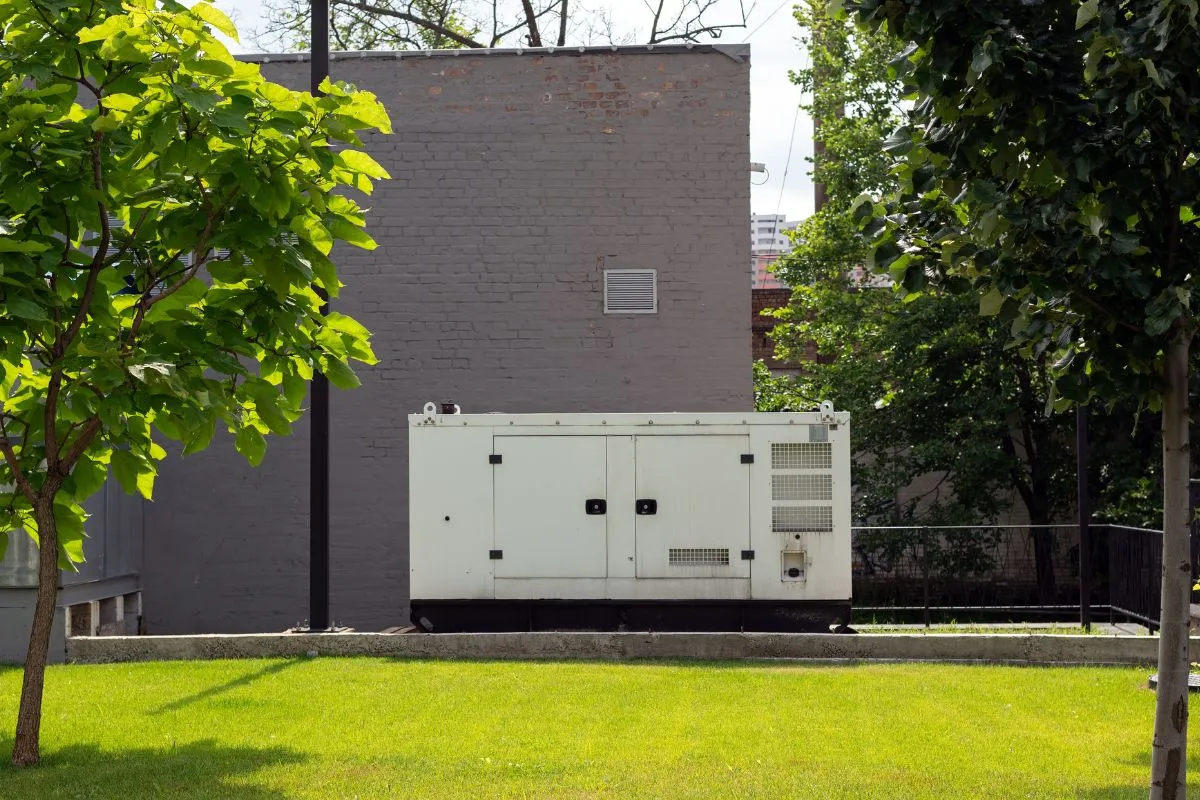
Standby Generators for Commercial Use Explained
Commercial standby generators provide automatic backup power that keeps critical systems running during outages, protecting operations, safety, and revenue. This guide explains how to choose the right generator size and fuel type, what a professional installation includes, which maintenance tasks are essential for reliability, and how emergency power systems support business continuity. You will learn practical steps to reduce downtime, prevent costly disruptions, and maintain compliance with safety standards. We also show how Swift Industrial Power, Inc. designs, installs, and services tailored commercial backup power solutions built for real-world performance.
How to Choose the Right Commercial Standby Generator for Your Business?
Choosing the right commercial standby generator starts with understanding your critical power needs, site conditions, and long-term operational goals. The right system should handle essential loads during outages, meet safety standards, and scale with future growth without unnecessary overspending.
1. Calculate your critical load
List all equipment that must stay operational, such as servers, HVAC, refrigeration, lighting, security systems, production machinery, and life safety equipment. Add starting watts for motors and allow a safety margin so the generator does not run at full capacity constantly.
2. Plan for future expansion
Consider expected business growth, new equipment, or facility expansion within the next five to ten years. Slightly oversizing for realistic growth avoids costly upgrades later.
3. Choose the right fuel type
Diesel works well for long runtimes and heavy loads. Natural gas offers cleaner operation when a reliable supply is available. Propane fits locations without gas lines or where fuel storage flexibility is needed.
4. Evaluate runtime and fuel storage
Determine how long you need to operate during outages. Extended runtime may require larger fuel tanks, dual fuel systems, or refueling agreements.
5. Review installation and space requirements
Check available space, ventilation, noise regulations, and local code requirements. Outdoor placement often requires weatherproof enclosures and proper clearances.
6. Match with an automatic transfer switch
Ensure the generator integrates with an appropriately sized ATS for fast, safe power transition without manual intervention.
7. Verify compliance and certifications
Confirm the system meets local electrical codes, fire safety rules, and industry standards. Proper certification protects warranties and reduces liability.
8. Work with a professional for sizing and design
A detailed site assessment and load analysis by an experienced installer ensures accurate sizing, safe installation, and long-term reliability.
What Key Factors Determine Generator Sizing and Capacity Planning?
Proper sizing ensures the generator can support essential loads when utility power fails. Key inputs to sizing include:
- Load Requirements: Tally the wattage for essential equipment, servers, HVAC, refrigeration, lighting, and safety systems to determine required capacity.
- Future Expansion Considerations: Account for anticipated growth or new equipment so your system remains effective as demand increases.
- Diversity Factor: Factor in which loads are likely to run together versus intermittently to avoid oversizing or undersizing.
Using these criteria produces a generator that reliably covers present needs and adapts to foreseeable changes.
Which Fuel Types Are Best for Commercial Generators?
Fuel choice affects run time, operating cost, maintenance, and emissions. Common commercial options are:
- Diesel: Durable and efficient, diesel is preferred for long run times and rugged applications; fuel storage and handling are straightforward.
- Natural Gas: Cleaner-burning with potentially lower operating costs if a reliable gas supply exists on site.
- Propane: A flexible alternative where natural gas isn’t available; suitable for shorter-term or standby requirements.
Each fuel has trade-offs. Match fuel selection to availability, emissions goals, and operational priorities. Swift Industrial Power, Inc. can help evaluate which fuel best serves your business.
What Is the Commercial Generator Installation Process?
The commercial generator installation process ensures safe, reliable backup power.
- Site Assessment: Determine optimal location, ventilation, and access.
- Permitting: Secure local approvals and meet building and electrical codes.
- Foundation & Enclosure: Prepare a stable pad and weatherproof housing if needed.
- Electrical Integration: Connect to the ATS for seamless power transfer.
- Fuel Setup: Install and secure diesel, natural gas, or propane systems.
- Testing & Commissioning: Run load tests and verify performance.
- Handover & Training: Review operation and maintenance procedures with staff.
This process ensures your generator operates reliably and meets all safety standards.
How Does Swift Industrial Power, Inc. Ensure Professional Installation Services?
At Swift Industrial Power, Inc., our installation teams follow a methodical process to deliver dependable systems. Typical steps include:
- Site Assessment: We evaluate location, clearances, ventilation, and access to determine the optimal placement and configuration.
- Permitting and Compliance: We handle local permits and ensure installations meet building, fire, and electrical codes.
- Testing and Commissioning: Each system is tested under load and commissioned to confirm it performs to specification before handover.
What Are the Key Compliance and Safety Standards to Follow?
Meeting standards protects people, property, and equipment. Essential references include:
- NFPA Standards: NFPA 110 and related guidance define performance and safety requirements for emergency and standby power systems.
- Local Regulations: Local building and electrical codes dictate permitting, inspections, and installation practices.
- Manufacturer Guidelines: Follow OEM instructions for installation and operation to preserve warranties and ensure safe performance.
Adhering to these standards minimizes risk and ensures your generator functions safely when needed most.
How to Maintain and Service Your Commercial Standby Generator?
Proper maintenance keeps your commercial standby generator reliable and extends its service life. Regular care prevents unexpected failures, reduces repair costs, and ensures your system is ready during power outages.
Key maintenance tasks include changing the oil, checking and testing batteries, replacing air and fuel filters, and inspecting the cooling and fuel systems. Keeping detailed service records helps track performance and identify potential issues early.
Partnering with a professional service provider or maintenance contract ensures scheduled inspections, proper documentation, and consistent readiness, giving your business uninterrupted backup power when it matters most.
What Are Recommended Generator Maintenance Services and Frequencies?
To keep systems ready, include these routine services:
- Oil Changes: Change oil every 100–200 operating hours or at least annually, per manufacturer guidance, to maintain engine health.
- Battery Checks: Regular battery inspections and load tests prevent start failures when power is lost.
- Filter Replacements: Replace air and fuel filters on the recommended schedule to protect the engine and fuel system.
Establishing a maintenance contract with Swift Industrial Power, Inc. ensures professional service intervals and documentation, so your system is always ready.
How to Troubleshoot Common Generator Issues?
Even with good maintenance, issues can occur. Common problems and likely causes include:
- Failure to Start: Often traced to weak batteries, fuel delivery interruptions, or ignition faults.
- Overheating: May result from low coolant, restricted airflow, or radiator problems.
- Unusual Noises: Mechanical wear or loose components require immediate inspection.
Quick diagnosis and corrective service reduce downtime and prevent secondary damage.
How Do Emergency Power Solutions Benefit Commercial Operations?
Emergency power solutions protect businesses from downtime, lost revenue, and safety risks during outages. A properly designed system keeps critical equipment running, maintains operations, and ensures employee and customer safety.
Key benefits include maintaining productivity when the grid fails, protecting sensitive equipment from damage, supporting compliance with safety regulations, and preserving customer trust by avoiding service interruptions. With automatic transfer switches and reliable standby generators, businesses can respond to power failures quickly and continue operations without costly disruptions.
What Role Do Automatic Transfer Switches Play in Emergency Power?
Automatic transfer switches (ATS) are the decision-makers that shift your load from utility to backup power. Their advantages include:
- Seamless Power Transition: ATS units switch sources automatically to minimize interruption to operations.
- Safety Features: They prevent back-feed to the grid, protecting utility crews and equipment.
- Monitoring Capabilities: Many ATS systems provide alarms and remote monitoring to alert you to power events.
Integrating an appropriately sized ATS with your generator improves safety and ensures a reliable transfer during outages.
How Can Diesel Generators Support Business Continuity?
Diesel generators are widely used in commercial settings for their robustness and long run capability. Key benefits include:
- Fuel Availability: Diesel is commonly accessible and, with proper storage, can sustain long-duration operations.
- Long Run Times: Diesel units can operate extended periods between refueling, making them suitable for prolonged outages.
- Cost-Effectiveness: Diesel often offers a competitive cost per kWh in heavy-use scenarios, though regional fuel prices will vary.
For many businesses, diesel remains a practical choice where reliability and extended runtime are priorities.
What Are the Environmental Impacts and Sustainable Options for Commercial Generators?
Commercial generators can produce emissions and consume significant fuel, which impacts the environment. Diesel and propane generators release greenhouse gases, while natural gas units burn cleaner but still produce some emissions.
Sustainable options help reduce these impacts without compromising reliability. Businesses can integrate renewable energy sources such as solar panels or battery storage with standby generators. Advanced diesel generators with emission controls meet strict standards like EPA Tier 4, improving efficiency and lowering fuel use.
By combining cleaner fuels, emission control technologies, and renewable energy, businesses can maintain dependable backup power while reducing their environmental footprint and operating more sustainably.
How Does Sustainable Energy Integration Enhance Backup Power Systems?
Combining renewable sources like solar plus battery storage with standby generators can strengthen resilience while cutting emissions. Benefits include:
- Reduced Emissions: Renewables lower greenhouse gas output when they supply part of the backup load.
- Cost Savings: Offsetting fuel consumption with renewables can reduce operating expenses over time.
- Energy Independence: Distributed generation and storage reduce reliance on the grid during disruptions.
Thoughtful integration of renewables and storage with traditional generators creates a more resilient and environmentally conscious solution.
Broader energy storage solutions increasingly play a critical role in grid stability and emergency power as utilities integrate more renewables and distributed resources.
What Are the Benefits of Using Diesel Generators for Business with Emission Controls?
Modern diesel generators paired with advanced emission controls offer a practical balance of performance and compliance. Advantages include:
- Compliance with Regulations: Emission control technologies help meet strict standards such as EPA Tier 4.
- Efficiency Improvements: New engine and aftertreatment designs improve fuel efficiency and lower operating costs.
- Sustainability: When combined with renewables or used efficiently, diesel solutions can fit into a broader emissions reduction strategy.
These improvements make diesel a viable option for businesses that need dependable backup power while managing environmental impact.
Frequently Asked Questions
What is the average lifespan of a commercial standby generator?
Commercial standby generators typically last 20–30 years when properly specified and maintained. Usage patterns, environmental exposure, maintenance frequency, and build quality all influence longevity. Investing in quality equipment and a documented maintenance plan extends service life and reliability.
How often should a commercial standby generator be tested?
Monthly exercise runs help verify starting reliability and system health. In addition, perform a full-load or simulated-load test at least annually to confirm the generator meets rated capacity. Regular testing identifies issues early and ensures readiness during an outage.
What are the costs associated with installing a standby generator?
Installation costs vary by generator size, fuel type, site conditions, and permitting requirements. Typical commercial installations commonly range from roughly $5,000 to $15,000, but complex sites or larger systems can cost more. Obtain multiple qualified quotes and include site prep, electrical work, and permits in your budget.
Can standby generators be used in residential settings?
Yes, standby generators are available in residential sizes and offer homeowners automatic backup during outages. Residential systems are smaller than commercial units but follow the same principles of sizing, fuel choice, and professional installation. Consult a qualified installer to determine the right solution for a home.
What maintenance services are essential for diesel generators?
Core maintenance tasks for diesel generators include routine oil and filter changes, scheduled battery checks, fuel system inspections, and cooling system maintenance. Follow the manufacturer’s schedule and keep detailed service records to ensure reliable performance.
How do I choose the right fuel type for my standby generator?
Choose fuel based on availability, runtime needs, emissions goals, and site logistics. Diesel is common for long runtimes and heavy loads; natural gas offers cleaner operation if a reliable supply exists; propane is an alternative where gas lines aren’t available. Review operational priorities with a specialist to select the best option.
Conclusion
A well-chosen and professionally installed standby generator is a strategic investment in continuity, safety, and competitiveness. With proper sizing, permitted installation, and disciplined maintenance, these systems protect operations and reduce outage risk. Swift Industrial Power, Inc. offers consultative sizing, certified installation, and ongoing service to keep your backup power ready when you need it. Contact us to discuss a solution tailored to your facility.
Servicing Tennessee, Florida, and Alabama