
Make Fleet Management Efficient With Forklift Battery Charging
Table Of Contents:
- Best Commercial Forklift Battery Charging Solutions for Efficient and Reliable Fleet Management
- What Are the Top Features of the Best Forklift Battery Chargers?
- How Do Industrial Battery Charging Systems Improve Warehouse Operations?
- Which Forklift Charging Technologies Are Leading the Market?
- How to Choose the Right Forklift Battery Charging Station for Your Fleet?
- What Maintenance and Support Services Ensure Optimal Forklift Battery Charging?
- What Are the Energy Efficiency Benefits of Advanced Forklift Battery Chargers?
- Where Can You Find Reliable Commercial Forklift Battery Charging Solutions?
- Final Thoughts
- Frequently Asked Questions
Best Commercial Forklift Battery Charging Solutions for Efficient and Reliable Fleet Management
In today’s competitive industrial landscape, maintaining uninterrupted operation of material handling equipment is key to productivity and cost control. Efficient forklift battery charging solutions, incorporating products-material-handling and easy-energy principles, improve fleet uptime, extend battery life, reduce energy consumption, and support sustainable practices. As industries shift to automated workflows and smart power systems, selecting the right charger becomes critical. This guide examines the features of high-quality forklift battery chargers, the role of modern charging systems in warehouse operations, leading charging technologies, the process for choosing the right charging station, and essential maintenance and support services including common issues with electric forklift batteries. Designed for facility managers, logistics personnel, and business decision-makers, this article emphasizes reliable, cost-effective, and advanced charging solutions that reduce downtime and deliver measurable return on investment.
Throughout, we highlight how Battery Management Systems (BMS), energy management software, and intelligent charging algorithms optimize performance while lowering operating costs. The following sections provide actionable insights for informed investment decisions that enhance fleet management.
We now delve into the key aspects of forklift battery charging technology and its impact on industrial operations.
What Are the Top Features of the Best Forklift Battery Chargers?
When selecting a forklift battery charger, the essential features are smart charging capabilities, energy efficiency, and modular design. Each of these enhances fleet uptime while ensuring batteries receive optimal care. For more information, you can refer to forklift battery watering systems.
How Do Smart Chargers Optimize Forklift Battery Performance?
Smart chargers monitor battery conditions using integrated sensors and microprocessors. They adjust charging rates based on the battery’s state of charge to prevent overcharging and thermal runaway. By using techniques such as pulse charging and temperature compensation, these chargers can extend battery life by up to 25% compared to traditional models. Real-time data analytics further support maintenance planning by tracking battery health and usage patterns, ensuring reliability during critical operations.
What Benefits Do Energy-Efficient Battery Chargers Provide?
Energy-efficient chargers reduce overall electricity consumption by delivering only the necessary charging current and minimizing waste during standby periods. With reductions in energy use of 15–20%, these chargers lower operational costs and decrease heat emissions. Less heat production means battery rooms require less cooling, further enhancing safety. Moreover, by supporting green initiatives and reducing overhead, these systems align with corporate sustainability goals.
Why Are Modular Forklift Battery Charging Stations Ideal for Industrial Use?
Modular charging stations offer scalability and flexibility. Their design allows businesses to easily upgrade or expand the infrastructure without a complete overhaul, reducing downtime during expansion. They integrate seamlessly with automated warehouse systems, enabling remote monitoring and rapid deployment of additional charging nodes. This adaptability is ideal for industrial settings where fleet sizes and workflows vary.
How Do Industrial Battery Charging Systems Improve Warehouse Operations?
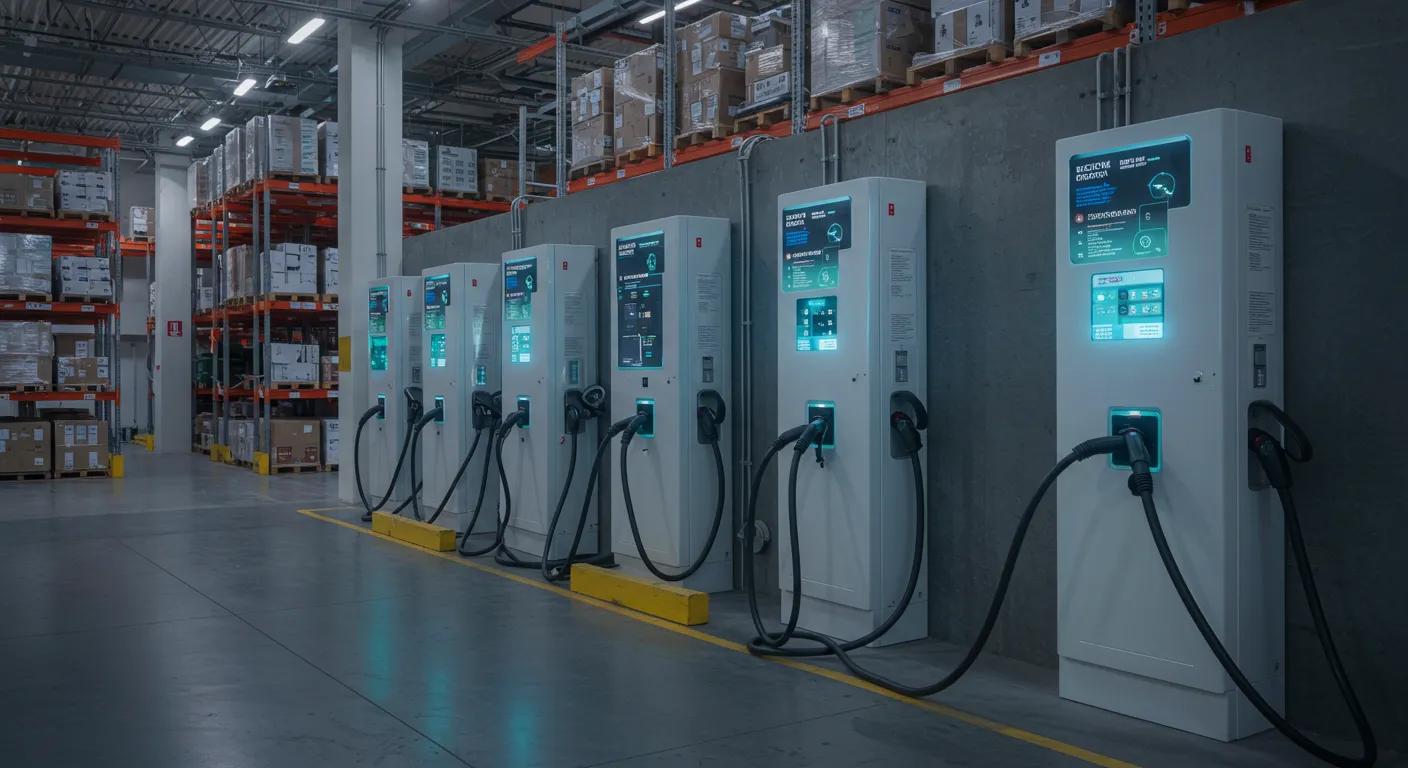
Industrial battery charging systems are vital for reducing downtime in warehouse operations. By integrating advanced BMS and energy management software, these systems improve battery health and overall efficiency.
What Role Does Battery Management Systems (BMS) Play in Charging Solutions?
A robust BMS monitors parameters such as cell voltage, temperature, and state of charge. It ensures balanced charging across all cells, enhancing both battery performance and longevity. BMS also detects potential faults early, preventing malfunctions and safety issues. By dynamically adjusting charging profiles, a BMS minimizes problems like overcharging and deep discharging, reducing maintenance costs and improving operational reliability.
How Does Energy Management Software Optimize Charging Schedules?
Energy management software analyzes consumption patterns and predicts peak demand periods. It schedules charging during off-peak times, reducing costs and load on electrical grids. Integration with facility-wide management systems allows managers to adjust charging in real time based on workflow demands. This approach minimizes downtime and ensures forklifts are charged efficiently while maintaining energy efficiency.
How Can Charging Systems Reduce Downtime and Increase Uptime?
Modern charging systems incorporate intelligent scheduling, rapid high-power cycles, and predictive maintenance to minimize downtime. By charging forklifts during non-peak hours and using multiple charging lanes, these systems restore battery levels quickly. Integrated alerts and remote diagnostics enable technicians to address issues before they escalate, keeping fleet uptime high even during busy operations.
Which Forklift Charging Technologies Are Leading the Market?
Leading technologies in forklift charging are evolving with intelligent systems and sustainable practices. They not only extend battery life but also reduce environmental impact and improve overall efficiency.
What Are the Latest Advances in Forklift Charging Technology?
Recent innovations include wireless communication and high-speed digital interfaces. Many modern chargers now support fast-charging capabilities that reduce charging time by 30–40% compared to older models. Integration with IoT devices and cloud-based analytics provides for remote diagnostics, performance monitoring, and automatic updates, resulting in a more responsive and safer charging environment.
How Do Intelligent Charging Algorithms Extend Battery Lifespan?
Intelligent charging algorithms use real-time data to adjust the charging curve based on each battery’s needs. By finely managing variables such as voltage, current, and temperature, these systems ensure optimal charging without stressing the battery. This careful management can extend battery lifespan by 20–30% while reducing the frequency of replacements, ultimately improving return on investment.
What Are the Environmental Benefits of Sustainable Charging Solutions?
Sustainable charging solutions consume less power and produce less heat, reducing the need for extra cooling infrastructure and lowering greenhouse gas emissions. They are designed for recyclability and use fewer hazardous materials, aligning with environmental regulations. By decreasing overall energy consumption and waste, these solutions help build a more sustainable industrial ecosystem.
How to Choose the Right Forklift Battery Charging Station for Your Fleet?
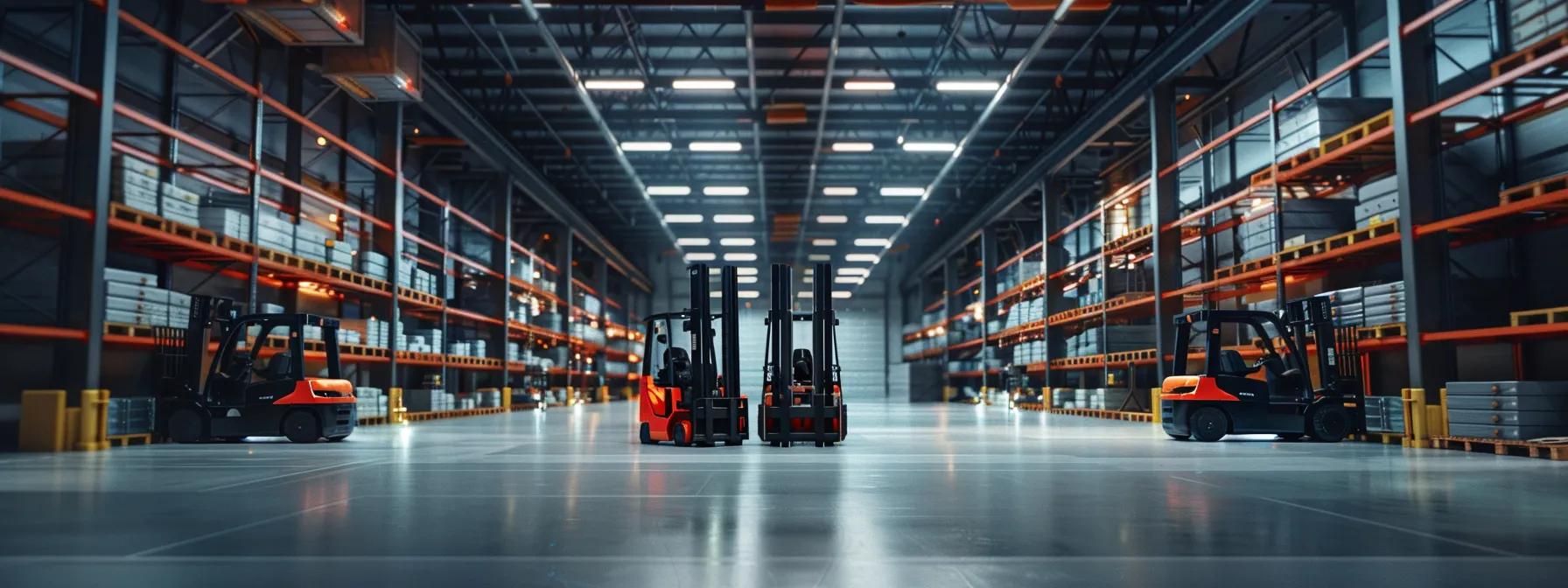
Selecting the ideal charging station requires evaluating fleet size, operational needs, and cost implications. Warehouse managers must consider several critical factors to make an informed selection.
What Factors Should Warehouse Managers Consider When Selecting Chargers?
Key factors include charging speed, compatibility with existing battery types, energy efficiency, and integration with management systems. The charger’s physical footprint, installation ease, and potential for future scalability are also important. Technical support, warranty options, and remote diagnostic capabilities further influence the decision, ensuring that the system meets both current needs and future expansion demands.
How Does Fleet Size Influence Charging Station Requirements?
The number and capacity of charging stations directly correlate with fleet size. Larger fleets require multiple nodes to avoid bottlenecks, while smaller operations might benefit from compact systems that conserve space. Facilities with more than 20 forklifts may need solutions that allow for simultaneous charging with load balancing, whereas smaller fleets can manage with basic single-unit chargers.
What Are the Cost Implications of Different Charging Solutions?
Cost evaluations must consider initial investments, maintenance, and energy consumption. Although high-end smart chargers might have higher upfront costs, they yield long-term savings with reduced energy use and extended battery life. Conversely, cheaper traditional chargers often incur higher operational costs over time. A complete total cost of ownership (TCO) analysis helps in selecting the most cost-effective solution that delivers long-term financial benefits.
What Maintenance and Support Services Ensure Optimal Forklift Battery Charging?
Regular maintenance and strong technical support are essential for reliable battery charging systems. They ensure prolonged equipment life and consistent performance.
How Does Preventative Maintenance Extend Charger and Battery Life?
Preventative maintenance includes scheduled inspections, cleaning, calibration, and firmware updates. Routine checks catch early wear or malfunction, preventing serious issues and reducing unexpected downtime. By adhering to a maintenance schedule, businesses can extend battery life by up to 30% and ensure that charging systems continuously operate under optimal conditions.
What Repair and Technical Support Options Are Available?
Top vendors offer comprehensive support including robust warranties, on-site repairs, and remote troubleshooting. With 24/7 technical support, issues can be addressed immediately, preventing prolonged operational disruptions. Regular firmware updates and diagnostic checks further keep systems running efficiently.
How Can Data-Driven Insights Improve Charging System Performance?
Data analytics from charging cycles, battery performance, and environmental conditions allow for optimized scheduling and early issue detection. Real-time dashboards and reporting provide managers with actionable insights to plan maintenance and adjust operations. These data-driven strategies improve performance, reduce energy consumption, and extend the longevity of both batteries and chargers.
What Are the Energy Efficiency Benefits of Advanced Forklift Battery Chargers?
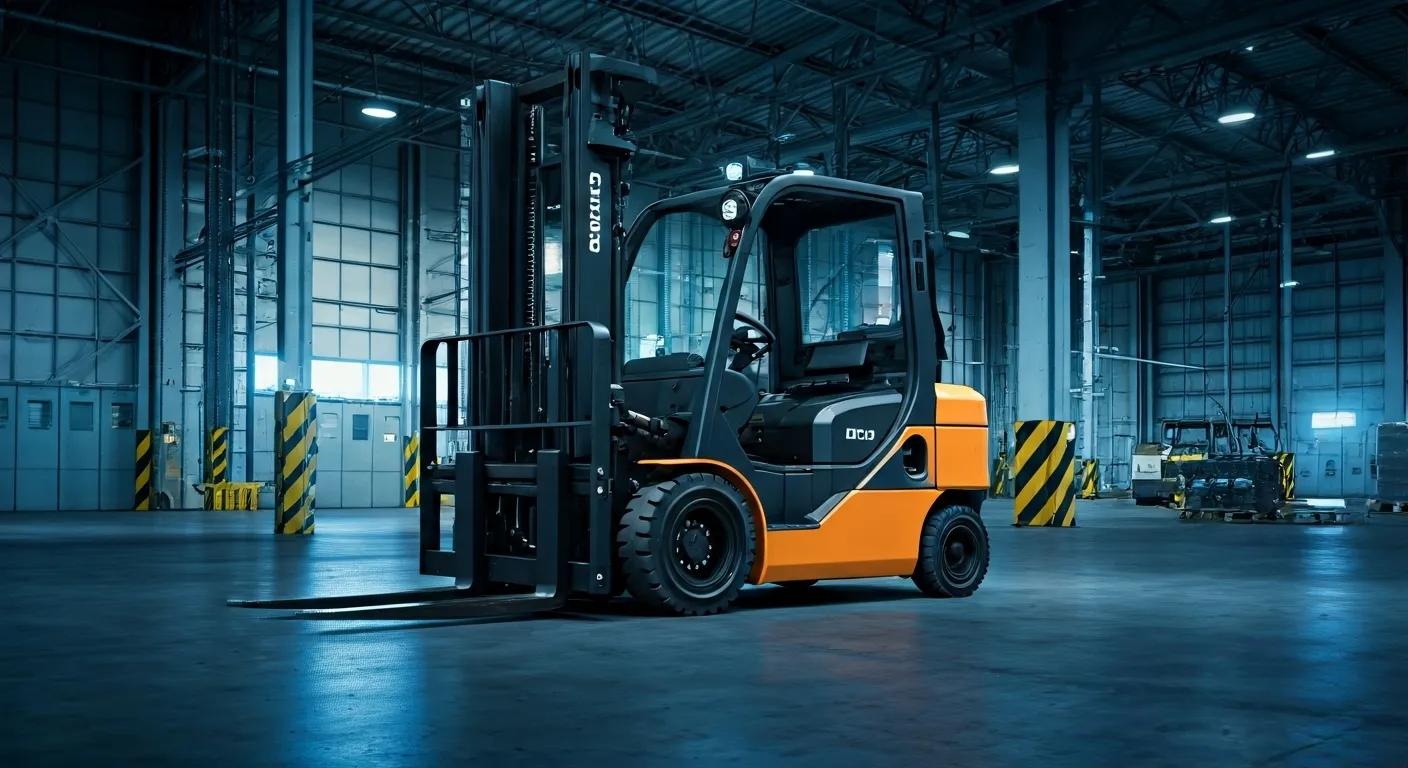
Advanced forklift battery chargers offer significant energy efficiency benefits, translating into reduced operational costs and a lower environmental footprint.
How Do Smart Chargers Reduce Energy Consumption?
By dynamically adjusting output based on the battery’s state of charge and ambient temperature, smart chargers minimize wasted energy. Their optimized charge profiles and low standby power consumption can reduce overall energy use by approximately 20%, thus lowering operating expenses and environmental impact.
What Impact Does Efficient Charging Have on Operational Costs?
Efficient charging reduces energy bills, cuts maintenance expenses, and minimizes operational downtime. Companies using advanced chargers report operating cost reductions of 15–25%. Additionally, reduced heat generation lowers cooling requirements in battery rooms, further contributing to cost savings and a favorable total cost of ownership (TCO).
Where Can You Find Reliable Commercial Forklift Battery Charging Solutions?
Reliable commercial charging solutions are essential for smooth industrial operations. Providers such as Micropower offer advanced charging technologies built for efficiency, durability, and seamless integration.
What Makes Micropower a Leader in Forklift Charging Systems?
Micropower leads with a portfolio of high-performance charging systems developed over decades of engineering expertise. Their products feature smart charging, newer modles with modular designs, and energy-efficient operations suitable for various industries from manufacturing to logistics. Backed by exceptional customer service, robust warranties, and continuous technical support, their systems ensure optimal performance under diverse conditions.
How to Contact and Get a Custom Charging Solution Quote?
Swift Industrial Power offers a straightforward process for obtaining custom solutions. Interested customers can reach out via phone, email, or online contact forms. Our technical experts review fleet size, energy usage, and system integration requirements to provide detailed proposals with technical specifications, cost estimates, and projected savings.
What Customer Success Stories Highlight Charging Solution Benefits?
Customer testimonials and case studies confirm the benefits of advanced charging systems. Many clients report improved fleet uptime and reduced operational costs after switching to energy-efficient chargers.
Final Thoughts
Swift, efficient, and energy-conscious charging solutions are crucial for maintaining the performance and longevity of forklift fleets. With smart charging, robust Battery Management Systems, and adaptable modular designs, modern charging technology minimizes downtime while maximizing performance and cost savings. This guide has summarized key features, technological advances, selection criteria, and maintenance strategies that enable businesses to enhance fleet management. By investing in reliable and environmentally sustainable charging solutions, companies can gain a competitive edge in industrial operations while meeting financial and corporate sustainability objectives.
Frequently Asked Questions
Q: What are the primary features to look for in a forklift battery charger? A: Look for smart charging technology with integrated sensors, energy efficiency, and a modular design for scalability. These features optimize battery performance, extend lifespan, and lower energy consumption, directly boosting fleet uptime and efficiency.
Q: How do smart chargers improve the overall performance of forklift batteries? A: They use intelligent algorithms to adjust charging rates based on battery conditions and environmental factors, preventing overcharging and maintaining optimal temperature for balanced, controlled charging cycles.
Q: What are the main energy savings realized through modern charging systems? A: Modern systems can reduce energy consumption by about 15–20% through adaptive charging cycles and lower standby power, resulting in decreased total ownership costs.
Q: Can advanced charging solutions contribute to sustainability goals? A: Yes, they lower energy usage and heat emissions, support integration with renewable sources, and use recyclable components, all of which reduce environmental impact.
Q: How important is regular maintenance for these charging systems? A: Regular preventative maintenance is essential. Routine inspections, firmware updates, and diagnostic checks help avoid unexpected failures and extend the life of both the charger and the battery.
Q: What role do data-driven insights play in optimizing forklift charging operations? A: They enable optimized charging schedules, early detection of issues, and informed maintenance planning, leading to improved efficiency and prolonged battery life.
Q: How do I determine the right charging station for my fleet size? A: Evaluate your fleet size, operational workflow, and available space. Consider cost, scalability, and whether a modular multi-node system or a compact charger best meets your facility’s needs.
Servicing Tennessee, Florida, and Alabama