
Factors That Influence Commercial Generator Costs
Factors That Influence Commercial Generator Costs: A Practical Pricing Guide
Commercial generators are mission-critical assets that maintain operational continuity for businesses, healthcare facilities, data centers, manufacturing plants, and other infrastructure-dependent environments. These systems support life safety, revenue protection, and regulatory compliance, making it essential for organizations to understand what drives their costs.
Generator pricing is influenced by far more than equipment alone. Fuel strategy, runtime classification, installation complexity, emissions compliance, maintenance planning, and monitoring technologies all contribute to the total investment. Evaluating these factors holistically helps avoid budget overruns, minimize downtime risk, and optimize long-term ownership value. This guide provides a comprehensive overview of the primary cost drivers and explains how structured planning, professional installation, and engineering design can reduce expenses while improving reliability.
What Are the Key Commercial Generator Pricing Factors?
The primary factors that drive commercial generator pricing are:
- Fuel availability: Diesel, natural gas, and propane each have different supply chains, storage needs, and refueling logistics that affect both capital and operating costs.
- Emissions regulations: Local and national emissions standards and any required emissions control equipment can add to equipment and permitting costs.
- Runtime requirements: Expected run hours and load profile determine sizing, fuel tank capacity, and service needs.
- Site constraints: Space, access, foundation, and ventilation limitations drive civil, structural, and installation work.
- Maintenance logistics: Service frequency, spare parts strategy, and remote monitoring options influence ongoing expense and reliability.
- Total cost of ownership: Combine purchase, installation, fuel, maintenance, downtime risk, and disposal or resale value to understand lifecycle cost.
These factors interact for example, a fuel choice influences emissions controls, tank siting, and maintenance. Assess each area together to produce a realistic cost estimate for your specific application. See our notes on professional installation below for ways to streamline approvals and reduce surprises.
How Generator Size and Capacity Affect Price?
Generator size and rated output are among the most significant factors influencing cost. Larger units require heavier components, more robust cooling and exhaust systems, and often more sophisticated controls, all of which increase the initial purchase and installation expense.
1. Cost differences: small vs. large commercial generators: Smaller generators have lower upfront costs and simpler installation requirements, but struggle with high motor startup currents or future load expansion. Larger generators cost more initially but provide greater long-term value for heavy loads or continuous operation when properly sized and specified.
2. Power output considerations: Choosing a generator with the right kW or kVA rating is critical. Oversizing increases capital expense and reduces fuel efficiency at low loads, while undersizing risks insufficient backup during outages. Incorporating reasonable headroom for growth ensures the generator can handle future load increases without unnecessary replacement or performance issues.
What Installation and Site Preparation Costs Should Be Considered?
Site work and permitting often represent a substantial portion of the project cost. Typical items include:
- Permits: Building, electrical, fire, and environmental permits are commonly required; some sites also need air‑quality approvals when emissions thresholds apply (Refer to NFPA 110 and local AHJ codes).
- Documentation: AHJ‑ready submittals, shop drawings, equipment cut sheets, load calculations, and emissions data are necessary to secure approvals (NEC Article 700 for emergency systems).
- Code compliance: NEC and NFPA requirements affect equipment selection, protective devices, and inspection checklists.
- Ventilation and fire safety: Exhaust routing, combustion air, secondary containment, and fire‑suppression planning can drive design and construction costs (NFPA 37).
- Site design: Foundations, access, fencing, and utility interconnection work all add to installation expense.
Early engagement with Authorities Having Jurisdiction (AHJs) and fully documented submittals reduces resubmittals and schedule risk. Experienced installers can help streamline approvals, prepare AHJ‑ready submittals, and ensure code compliance, reducing schedule risk and avoiding costly changes on site.
What Installation Factors Can Increase Pricing?
Several site‑specific and logistical factors can raise the cost of installing a commercial generator:
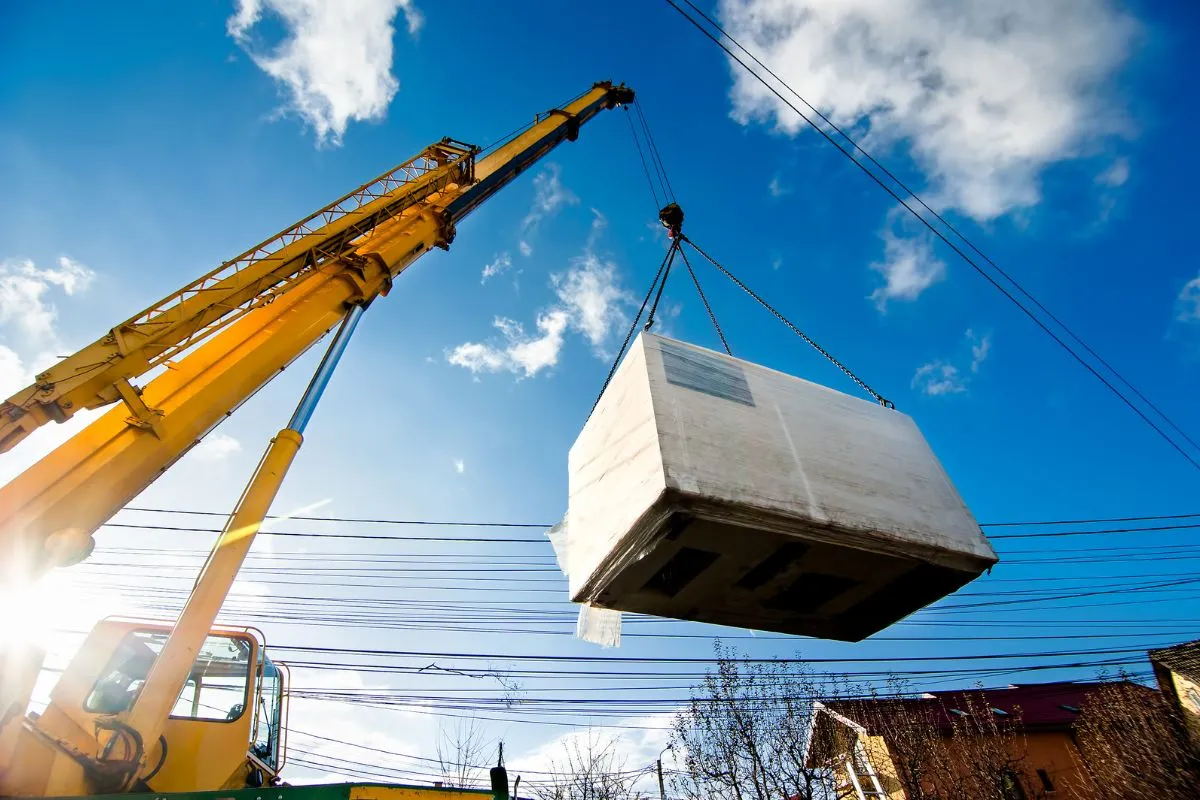
- Site access and layout: Confined spaces, limited crane access, or difficult delivery routes increase labor and equipment requirements.
- Foundation and structural requirements: Heavy generators often need reinforced foundations, vibration isolation pads, or special mounting solutions.
- Utility connections: Long runs of electrical cabling, conduit, or fuel lines add material and labor costs.
- Ventilation and exhaust: Proper airflow, exhaust routing, and compliance with local fire and air‑quality codes require additional ducting or mechanical systems.
- Noise and emissions controls: Soundproof enclosures, mufflers, or emission-reducing equipment add equipment and installation expenses.
- Permitting and code compliance: Complex AHJ requirements, inspections, and documentation can increase project time and costs.
How Does Site Preparation Affect Total Installation Expenses?
Thorough site assessment and preconstruction coordination are essential for controlling installation costs. Addressing ventilation, fuel containment, and code requirements upfront helps ensure inspections and final sign-offs proceed smoothly, minimizing change orders and keeping the project on schedule and on budget. Proper planning for foundation work, access, and utility connections also reduces labor and material surprises during installation.
How Maintenance and Warranty Impact Expenses?
Maintenance strategy and warranty terms play a major role in lifecycle cost and system availability. A detailed maintenance plan, combined with remote monitoring, can reduce unplanned downtime and extend component life. Warranty coverage provides financial protection against early failures, helping organizations manage total ownership costs.
How Does Maintenance Frequency Affect Generator Costs?
More frequent inspections and preventive servicing increase near-term operating expenses but lower the risk of catastrophic failures and unplanned outages. Typical service tiers range from basic monthly checks to comprehensive annual load bank testing for high-availability facilities. Studies and operating experience underline how testing, preventive care, and timely repairs contribute to generator reliability, highlighting the importance of a disciplined maintenance program for emergency diesel generators.
How does warranty duration affect the total cost of ownership?
Warranty coverage can have a major impact on the total cost of owning a commercial generator. Longer or more comprehensive warranties reduce financial risk from early component failures and can lower overall lifecycle expenses. When evaluating options, it is important to review warranty terms together with service contracts to understand clearly where responsibility and costs lie throughout the operational life of the generator.
How Do Brand, Features, and Technology Influence Generator Costs?
The reputation of the manufacturer, the features included, and the technologies used all influence both the initial purchase price and long-term operating costs. Established brands often charge a premium for proven reliability, access to spare parts, and strong support networks. Technologies such as hybrid fuel systems, smart control systems, noise reduction features, and improved energy efficiency increase initial costs but can lead to lower fuel consumption, reduced maintenance requirements, and decreased overall operating costs over time.
How do brand and product features affect pricing?
Premium brands typically provide enhanced documentation, longer support periods, and a more robust network for parts and service. These factors improve system uptime and reduce the total cost of ownership. Features that improve efficiency or monitoring often require additional engineering investment, but they provide measurable benefits in operational performance and system reliability over the life of the generator.
What Are the Cost Implications of Advanced Technologies?
Advanced technologies, including smart controls, telemetry systems, and hybrid fuel arrangements, increase the complexity and initial cost of a generator. These technologies provide operational advantages such as optimized fuel use, predictive maintenance, and flexibility in managing energy resources. Over time, these benefits can reduce operational costs, extend the life of the generator, and improve overall reliability.
How Should Lifecycle Costs Be Analyzed for Commercial Generators?
A complete lifecycle cost analysis should take into account the purchase price, installation costs, fuel consumption, maintenance, potential downtime, and salvage or resale value. Considering all these factors together reveals the true differences between options and highlights where investments in efficiency, technology, or redundancy provide long-term value. Energy-efficient designs and hybrid fuel systems may have higher initial costs, but they often produce savings in fuel, reduce maintenance needs, and improve reliability, which lowers the total cost of ownership over the life of the system.
What Are the Long-Term Cost Benefits of Energy Efficiency?
Energy-efficient generators consume less fuel and generally require less maintenance. This reduces ongoing operating costs and can also make the equipment eligible for incentives or rebates. Although energy-efficient units may have a higher initial purchase price, the savings in fuel and maintenance over time can offset these upfront costs and lower the total cost of ownership.
How do hybrid fuel options influence lifecycle expenses?
Hybrid fuel arrangements, which combine multiple fuel sources or integrate renewable energy, can reduce exposure to fuel price fluctuations and increase operational flexibility. By using a mix of fuels, businesses can optimize running costs and improve reliability. Lifecycle assessments that account for fuel price volatility often show that hybrid systems deliver better total cost outcomes, particularly in regions with high or unpredictable fuel costs.
How do hybrid fuel options influence lifecycle expenses?
Studies on hybrid systems combining diesel generators and photovoltaic energy demonstrate measurable lifecycle savings. These systems optimize fuel consumption by supplementing conventional power with renewable sources, which reduces fuel use, lowers emissions, and extends generator runtime. In locations where fuel costs are high, these systems provide significant economic and environmental benefits over traditional diesel-only setups.
Frequently Asked Questions
What should I consider when choosing a commercial generator?
Start with your operational goals (backup vs. continuous power), list critical loads, and assess fuel availability and site constraints. Factor in emissions rules, maintenance capacity, and long‑term lifecycle cost to pick the right type and size.
How can I estimate the total cost of ownership?
Sum the purchase price, installation and permitting, fuel and maintenance costs, expected downtime risk, and end‑of‑life value. Run scenarios for fuel price changes and maintenance frequency to see the true lifecycle impact.
What are the benefits of energy‑efficient generators?
Energy‑efficient units reduce fuel consumption and maintenance needs, lowering operating costs and improving sustainability. They also qualify for regional incentives that improve financial return.
How do hybrid fuel options work?
Hybrid systems let you switch or combine fuel sources (for example, diesel and natural gas, or diesel plus photovoltaic inputs) to optimize cost and availability. This flexibility can reduce fuel expense and increase resilience.
What role does professional installation play?
Professional installers handle AHJ coordination, prepare AHJ‑ready submittals, and ensure NEC/NFPA compliance. Their experience shortens approval cycles, reduces rework, and lowers overall project risk and cost.
How can I ensure emissions compliance?
Engage AHJs early, verify applicable local and national standards, and specify compliant equipment and emissions controls. Keep thorough documentation and a maintenance program to remain compliant over the life of the system.
Conclusion
Commercial generator cost is shaped by far more than equipment price alone. Generator size, fuel type, runtime classification, emissions compliance, installation complexity, maintenance planning, brand selection, and integrated technologies all contribute to total ownership cost.
While energy-efficient systems and hybrid fuel designs often require higher upfront investment, they frequently deliver long-term operational savings and improved reliability.
Organizations that invest in early planning, engineering documentation, and experienced installation support reduce project risk, streamline approvals, and achieve the optimal balance between performance, compliance, and lifecycle cost efficiency.
Servicing Tennessee, Florida, and Alabama