
Fuel Efficiency for Commercial Backup Generators: Key Factors, Fuel Types, and Cost Savings
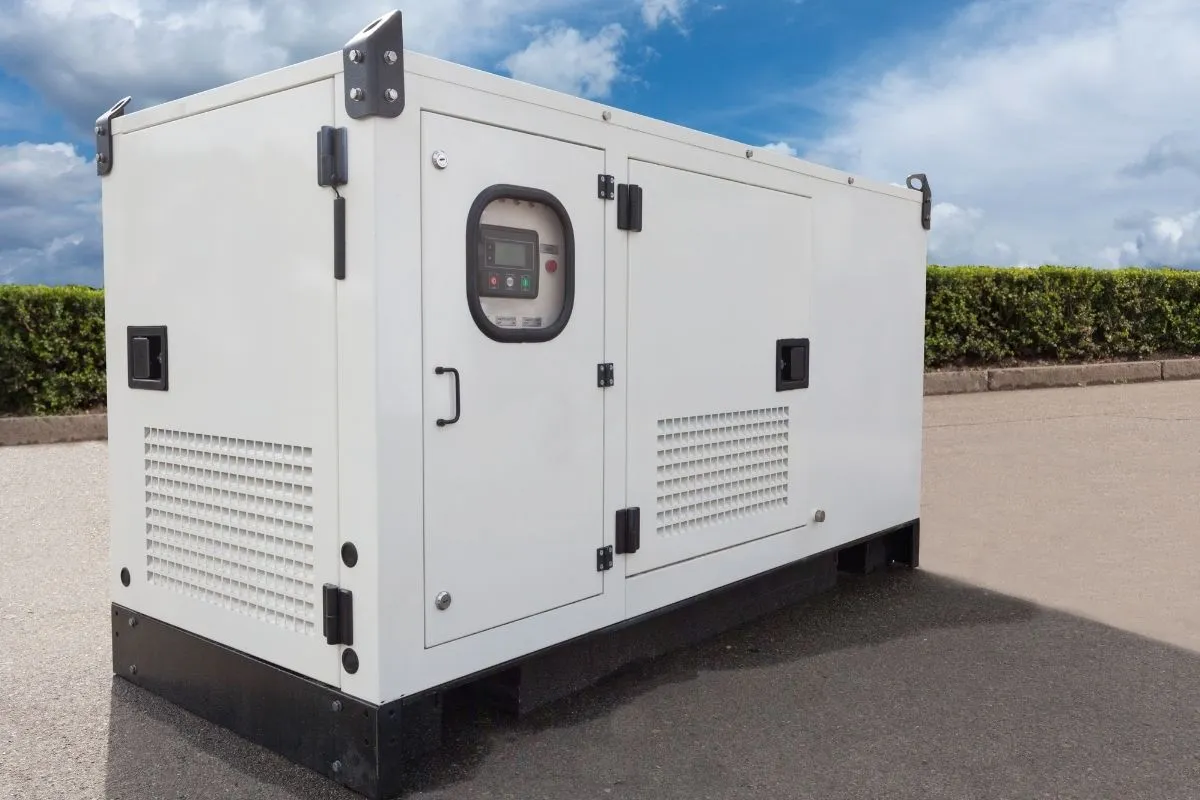
Fuel Efficiency for Commercial Backup Generators: Key Insights and Practical Optimization Tips
For businesses that depend on backup power, fuel efficiency isn’t optional; it’s a financial and operational priority. Smarter fuel use lowers run costs, reduces emissions, and increases uptime. This guide compiles the most valuable insights and actionable steps for enhancing generator fuel efficiency in commercial settings.
We cover what fuel efficiency means, the key drivers of consumption, maintenance best practices, fuel-type trade-offs, and actionable strategies you can apply right away to keep your operations powered and costs predictable.
What Is Fuel Efficiency in Backup Generators and Why Does It Matter?
Fuel efficiency measures how much electrical energy a generator produces for each unit of fuel. For businesses, that metric directly affects operating expense, emissions, and long-term reliability. A more efficient generator delivers the same power using less fuel, which lowers cost-per-kWh and helps meet sustainability goals. Knowing how to read and compare efficiency figures helps you choose and operate equipment that fits your load profile and budget.
How Is Generator Fuel Efficiency Measured?
We usually express generator efficiency as kilowatt-hours (kWh) produced per gallon or liter of fuel consumed. Tracking fuel use alongside energy output over a representative run period lets you compare models and spot performance drift. Accurate measurement, whether via manual logs or automated monitoring, is essential for choosing the right system and identifying when maintenance or operational changes will deliver savings.
What Are the Benefits of Fuel-Efficient Backup Generators for Businesses?
- Lower operating costs: Using less fuel cuts your outage and test-run expenses, freeing budget for other priorities.
- Smaller environmental footprint: More efficient combustion reduces emissions and supports corporate sustainability targets.
- Greater reliability: Equipment that runs within its efficient range tends to experience less wear and fewer unexpected failures.
These advantages are central to what we deliver at Swift Industrial Power Inc — reliable, efficient stationary power solutions built for commercial needs.
Which Factors Most Influence Fuel Consumption in Backup Generators?
Fuel consumption in backup generators is primarily influenced by load level, generator sizing, engine efficiency, and operating conditions. Generators running below or above their optimal load range burn fuel inefficiently, increasing cost per kilowatt-hour. Proper sizing ensures the engine operates within its most efficient band during outages and testing.
Maintenance condition also plays a major role. Worn components, dirty filters, degraded oil, or poor combustion timing increase friction and incomplete fuel burn. Fuel quality and storage conditions further affect efficiency, as contaminated or degraded fuel leads to higher consumption and unstable operation.
Environmental factors such as temperature, altitude, and ventilation impact air density and combustion performance, while operating practices like extended idle time, frequent short runs, and unmanaged load spikes contribute to unnecessary fuel use. Addressing these factors together delivers measurable improvements in fuel efficiency and generator reliability.
How Does Generator Sizing Impact Fuel Efficiency?
Correct sizing is vital. An undersized unit runs hot and consumes extra fuel trying to meet demand. An oversized unit spends most of its time at low load, which is also inefficient. The sweet spot for many commercial gensets is roughly 50–80% of rated capacity; here, the engine and alternator deliver their best fuel-to-power conversion. Proper load analysis and equipment selection help you stay within that range. Research reinforces how load level and fuel choice interact to shape overall energy performance.
What Role Does Load Management Play in Reducing Fuel Costs?
Load management keeps a generator operating near its efficient band. Practical techniques include staggering noncritical equipment, scheduling high-consumption tasks during generator capacity windows, and using load banks to simulate realistic operating conditions during testing. These tactics reduce wasted runtime and lower fuel spend over the life of the system.
How Can Preventive Maintenance Improve Backup Generator Fuel Economy?
Preventive maintenance plays a crucial role in enhancing the fuel economy of backup generators, which are essential for powering homes and businesses during outages. Regularly scheduled inspections and servicing can help identify and rectify potential issues before they escalate into significant problems. For instance, routine checks of the generator’s air, fuel, and oil filters ensure that the engine operates efficiently, reducing the fuel consumption necessary to generate power.
A generator that is well-maintained can operate at its optimal performance level, minimizing wasted energy and maximizing output. This is especially important in emergency scenarios, where the efficient use of fuel not only lowers operational costs but also ensures a reliable source of power when it is most needed.
What Are the Key Maintenance Tasks That Affect Fuel Consumption?
Maintenance actions that directly influence fuel use include:
- Oil changes on schedule: Fresh oil reduces friction and keeps combustion consistent.
- Filter replacements: Clean air and fuel filters support full, efficient combustion.
- Fuel inspections: Detecting contamination early prevents poor combustion and excessive fuel burn.
How Does Fuel Quality and Storage Influence Generator Efficiency?
Fuel quality matters. Contaminants or water in fuel cause incomplete combustion, higher consumption, and increased emissions. Store fuel in clean, temperature-controlled tanks, prevent water ingress, and use stabilizers when fuel sits long-term. Good fuel handling directly preserves performance and reduces operating risk.
What Are the Differences in Fuel Efficiency Among Diesel, Natural Gas, and Propane Generators?
Diesel generators typically deliver the highest energy output per gallon, making them the most fuel-efficient option for heavy or continuous loads. Their high energy density and modern combustion technology support long run times, though emissions and fuel price volatility can be drawbacks.
Natural gas generators burn cleaner and offer reliable efficiency where pipeline access is available. While they produce slightly less energy per unit than diesel, steady fuel supply and lower emissions make them attractive for many commercial sites.
Propane generators provide moderate efficiency with the advantage of long-term fuel storage and cleaner combustion. They are well-suited for locations without natural gas access or where on-site fuel storage is preferred.
Each fuel involves trade-offs in efficiency, cost, emissions, and availability. The best choice depends on load demands, fuel access, and total lifecycle costs.
How Do Diesel Generators Optimize Fuel Consumption?
Diesel generators are widely regarded as the most fuel-efficient option for commercial backup power, particularly under sustained or high-load conditions. Diesel fuel has a high energy density, allowing engines to generate more electricity per gallon than most alternatives. Modern diesel gensets further improve efficiency through technologies such as turbocharging, electronic fuel management, and high-pressure direct injection, all of which optimize air-fuel ratios and combustion timing. When properly sized and maintained, diesel systems deliver stable output with predictable fuel usage, making them well-suited for facilities that require long runtimes or frequent testing.
What Are the Efficiency Benefits of Natural Gas Generators Compared to Diesel?
Natural gas generators offer competitive efficiency with the added benefit of cleaner combustion. While they typically produce slightly less energy per unit of fuel than diesel, natural gas systems benefit from consistent fuel quality and continuous pipeline supply, eliminating refueling downtime. This steady fuel delivery supports efficient operation in standby and extended outage scenarios. Lower particulate emissions, reduced engine deposits, and simplified maintenance can also improve long-term operational efficiency, especially for facilities located in urban or utility-connected environments.
How Does Propane Compare in Terms of Fuel Efficiency?
Propane generators provide moderate fuel efficiency that is comparable to natural gas, combined with flexible on-site fuel storage. Propane burns cleanly and remains stable over long storage periods, reducing concerns around fuel degradation. While energy output per gallon is lower than diesel, propane systems often experience less engine wear and cleaner combustion cycles. These characteristics make propane a practical choice for remote locations or sites where fuel storage reliability and low emissions are priorities.
Which Strategies Can Businesses Use to Optimize Backup Generator Fuel Economy?
Improving generator fuel economy requires a coordinated approach that combines correct equipment sizing, proactive maintenance, and operational control. Selecting a generator that matches actual load demand, rather than peak theoretical demand, prevents inefficient low-load operation. Ongoing maintenance and performance monitoring ensure the system continues operating within its optimal efficiency range over time.
How Can Advanced Load Management Techniques Reduce Fuel Usage?
Advanced load management helps generators operate closer to their most efficient load levels. By prioritizing critical systems and delaying or shedding nonessential loads, businesses can avoid fuel waste during outages or testing. Integration with building management systems and automated load controls allows real-time adjustments that reduce unnecessary runtime and prevent overfueling during low-demand periods.
What Are the Advantages of Hybrid and Alternative Fuel Backup Power Solutions?
Hybrid backup systems combine traditional generators with battery storage or renewable energy sources to reduce fuel consumption. Batteries can handle short-duration loads, peak demand, or transition periods, allowing generators to run less frequently and more efficiently. These configurations lower fuel costs, reduce emissions, and improve resilience, particularly in facilities that experience frequent grid interruptions or variable load profiles.
How Can Businesses Measure and Monitor Fuel Efficiency in Backup Generators?
Accurate measurement is essential for identifying inefficiencies and improving performance. Tracking fuel consumption alongside power output over time provides clear insight into how effectively a generator converts fuel into usable energy. Consistent data collection enables operators to detect performance drift, maintenance issues, or operational inefficiencies before they become costly problems.
What Formulas and Tools Are Used to Calculate Generator Fuel Consumption?
Common calculations include:
- Fuel Consumption Rate: Fuel used (gallons or liters) / Power output (kWh) = Fuel efficiency (gallons or liters per kWh)
- Cost Analysis: Total fuel cost / Total kWh produced = Cost per kWh
Modern monitoring software automates these calculations and provides dashboards to track performance over time.
How Does IoT and Remote Monitoring Enhance Fuel Efficiency Tracking?
IoT-enabled monitoring gives real-time visibility into tank level, fuel flow, load, and battery status. Remote alerts and trend data help you schedule maintenance, detect drift, and optimize dispatch — all of which cut unnecessary fuel use and improve uptime.
The value of remote monitoring for reliable operation in critical facilities is well established.
Frequently Asked Questions
What are the common signs that a backup generator needs maintenance?
Watch for unusual noises, hard starts, unstable voltage or frequency, frequent shutdowns, and control-panel warnings. Regular checks of oil, fuel condition, and battery health will reveal early warning signs so you can fix issues before they affect reliability.
How often should backup generators be serviced?
At a minimum, schedule a full service once a year. Units used for regular testing or in critical roles may need more frequent inspections and component replacements. Follow the manufacturer’s service intervals and adjust based on runtime and site conditions.
What is the impact of weather on backup generator performance?
Extreme heat or cold can alter fuel viscosity and battery performance, while moisture can cause electrical faults. Use weather-rated enclosures, winterization kits, and pre-storm checks to keep systems ready when severe conditions hit.
Can backup generators be used for long-term power supply?
Generators can run for extended periods, but continuous operation requires careful fuel logistics, regular maintenance, and load control to avoid overheating and excessive wear. For prolonged outages, consider permanent standby systems or hybrid configurations designed for long-term use.
What are the safety precautions when operating a backup generator?
Always ensure good ventilation to prevent carbon monoxide buildup, keep the unit dry and clear of flammable materials, and use appropriately rated cabling. Follow manufacturer instructions, train staff, and keep emergency equipment like fire extinguishers on hand.
How can businesses ensure compliance with environmental regulations regarding generators?
Stay current with local emissions rules, choose fuel-efficient equipment, and maintain units to minimize pollutants. Where required, install emissions controls or explore lower-emission fuels. Regular audits and consultation with environmental specialists help maintain compliance and meet sustainability targets.
Conclusion
Improving fuel efficiency in commercial backup generators not only reduces operational costs but also supports sustainability goals and enhances reliability. By understanding key factors such as proper sizing, maintenance, and fuel quality, businesses can optimize their power solutions effectively. Implementing these strategies ensures that your operations remain efficient and cost-effective in the long run. Discover more about our advanced generator solutions and take the next step towards maximizing your fuel economy today.
Servicing Tennessee, Florida, and Alabama